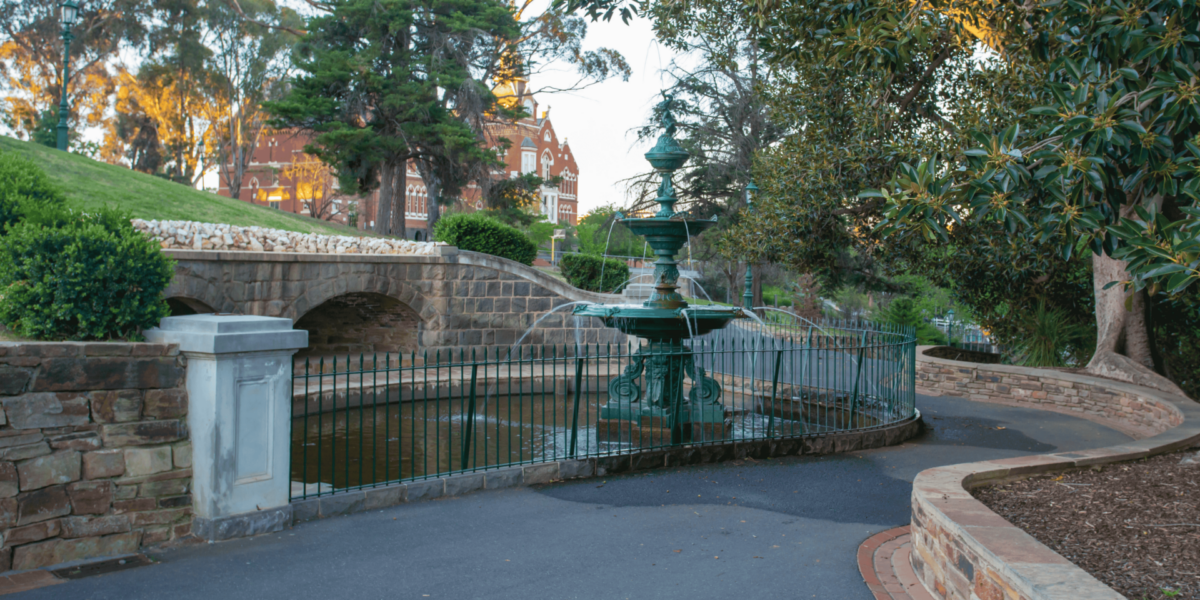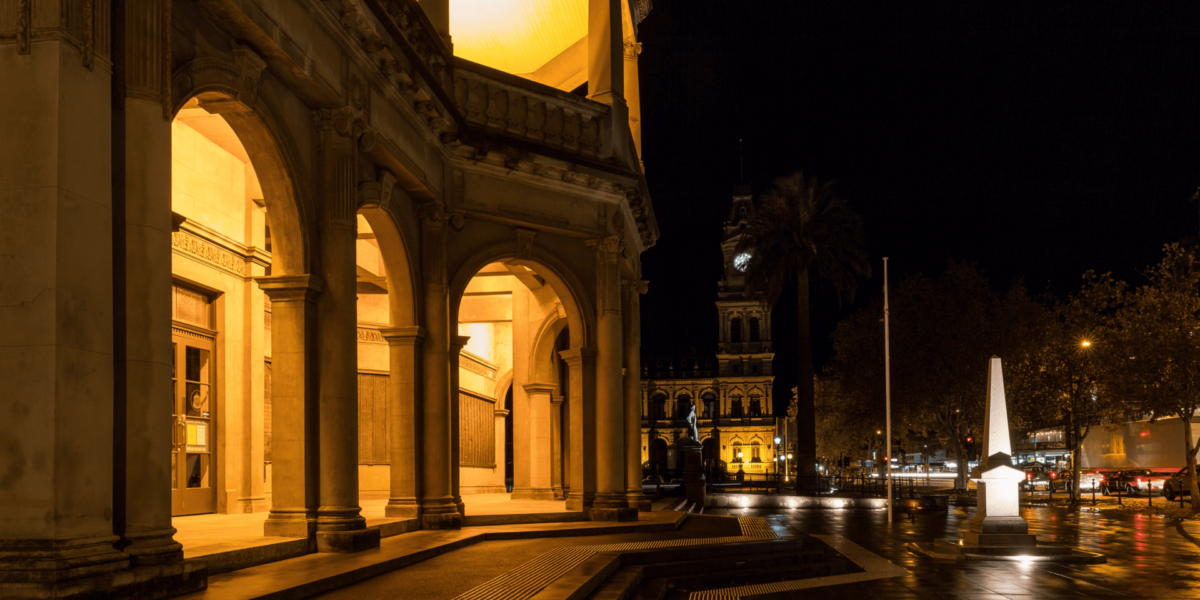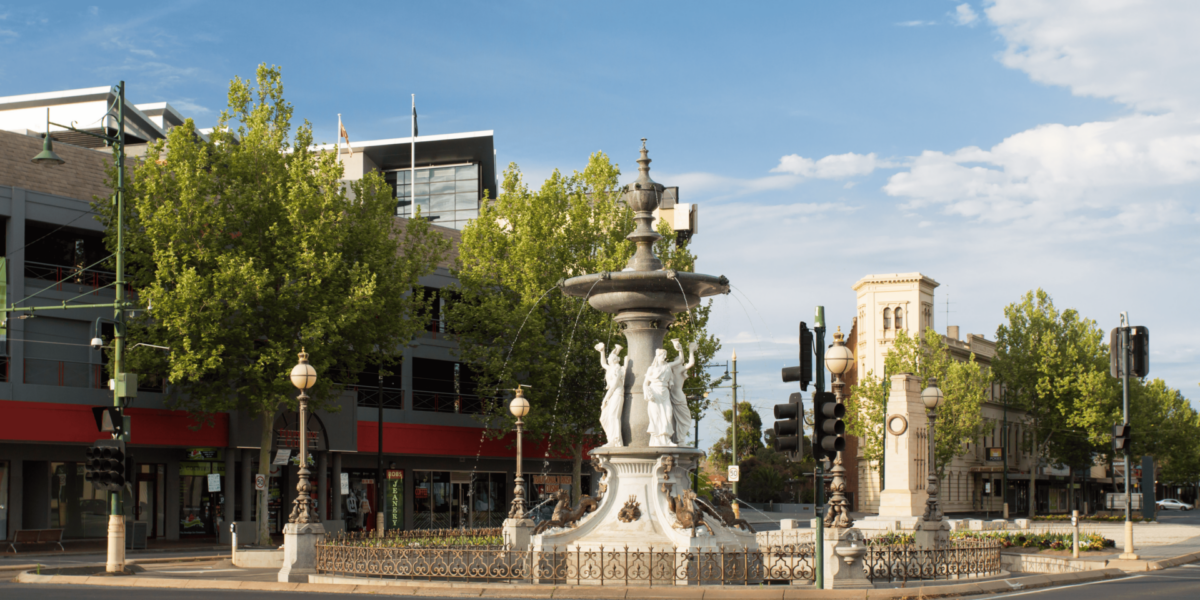
Bendigo’s historic architecture and cultural landmarks remain vibrant because locals and visitors choose to engage with them directly. By staying in heritage accommodations, dining at locally owned venues, and supporting community events, you contribute to preserving the city’s unique character.
Heritage Tourism as a Driver of Preservation
Staying in heritage properties channels money directly into the upkeep of Bendigo’s historic buildings.
Maintaining structures from the 19th century requires specialized trades and careful restoration work. Original stonework, timber beams, and decorative features need consistent attention to prevent deterioration. Revenue from guest stays funds these repairs, ensuring buildings remain structurally sound and visually true to their origins.
The Economic Ripple Effect of Staying Local
Choosing local accommodations extends benefits beyond the building itself.
Your booking supports employees, tradespeople, and suppliers connected to the property. Linens may come from regional textile businesses, while breakfast ingredients are often sourced from nearby farms and markets. This network of local spending strengthens Bendigo’s economy and keeps heritage-related industries active.
A Realistic Day Supporting Bendigo’s Living History
Waking in a restored gold rush-era hotel, you open tall sash windows to the sound of street activity.
You step onto the sidewalk and walk to a café in another heritage building, where the menu features produce from the surrounding countryside. Later, you explore a nearby gallery housed in a former post office, its restored façade reflecting sunlight. As the day unfolds, your choices—where you stay, eat, and visit—feed directly into Bendigo’s preservation efforts.
Local Ownership Protects Cultural Identity
Many heritage properties in Bendigo are owned or managed by residents who have personal connections to the buildings.
Local operators often understand the historical significance of their properties and are committed to maintaining their authenticity. Decisions about renovations, décor, and use are made with respect for the building’s story, ensuring it continues to reflect Bendigo’s heritage rather than conforming to generic hospitality trends.
Walkable Access Strengthens the Connection Between Past and Present
Heritage accommodations are often located within Bendigo’s central district, placing you in walking distance of key landmarks.
This proximity encourages visitors to explore on foot, noticing details in façades, ironwork, and window designs that might otherwise be missed. The streets themselves form part of the heritage experience, linking your stay to the city’s original layout and architectural legacy.
Community Events Bring Heritage Spaces to Life
By staying local, you’re more likely to discover events that activate Bendigo’s historic venues.
Markets, art exhibitions, and music performances often take place in restored halls or courtyards. Attending these gatherings provides income for organizers and reinforces the use of heritage spaces as community hubs. When these venues remain active, they avoid the risk of neglect or redevelopment.
Adaptive Reuse Ensures Long-Term Viability
Heritage preservation thrives when buildings have practical, modern functions.
Many of Bendigo’s historic structures now serve as hotels, restaurants, or cultural centers. This adaptive reuse allows for continuous maintenance and ensures the property remains relevant. When you choose to stay in or visit these spaces, you help validate their role in contemporary life.
Sustainable Travel Through Local Engagement
Local stays often reduce the need for car travel, lowering environmental impact while enhancing the cultural experience.
Walkable access to shops, parks, and attractions means less reliance on transport, aligning with sustainable tourism principles. Supporting local services also minimizes the environmental cost of importing goods and services from outside the region.
Preservation Through Personal Experience
Engaging with heritage firsthand deepens appreciation for its value.
When you stay in a restored property, you notice the texture of original timber, the proportions of historic rooms, and the craftsmanship in decorative finishes. These tactile details create a stronger connection to the past, motivating continued support for preservation.
The Role of Repeat Visits in Sustaining Heritage
Locals and returning visitors play a key role in keeping Bendigo’s heritage economy steady.
Consistent patronage ensures that heritage accommodations and venues remain financially viable year-round, not just during peak tourist seasons. This stability allows owners to plan and invest in long-term maintenance projects without depending solely on occasional large influxes of visitors.
Why Staying Local Shapes Bendigo’s Future
Every choice to stay in a heritage property or spend money with a local business influences the city’s ability to maintain its historical assets.
These decisions preserve more than buildings—they protect the cultural fabric that defines Bendigo. Without active engagement from visitors and locals alike, preservation efforts risk losing momentum.
A Continuing Story Written by Visitors and Locals
Bendigo’s heritage survives because people interact with it daily.
From booking a room in a restored inn to attending a concert in a historic hall, each action contributes to the city’s evolving story. Staying local ensures that the past remains woven into the present, keeping Bendigo’s identity intact for future generations.