Immersing in Bendigo’s Art, History, and Cultural Charm

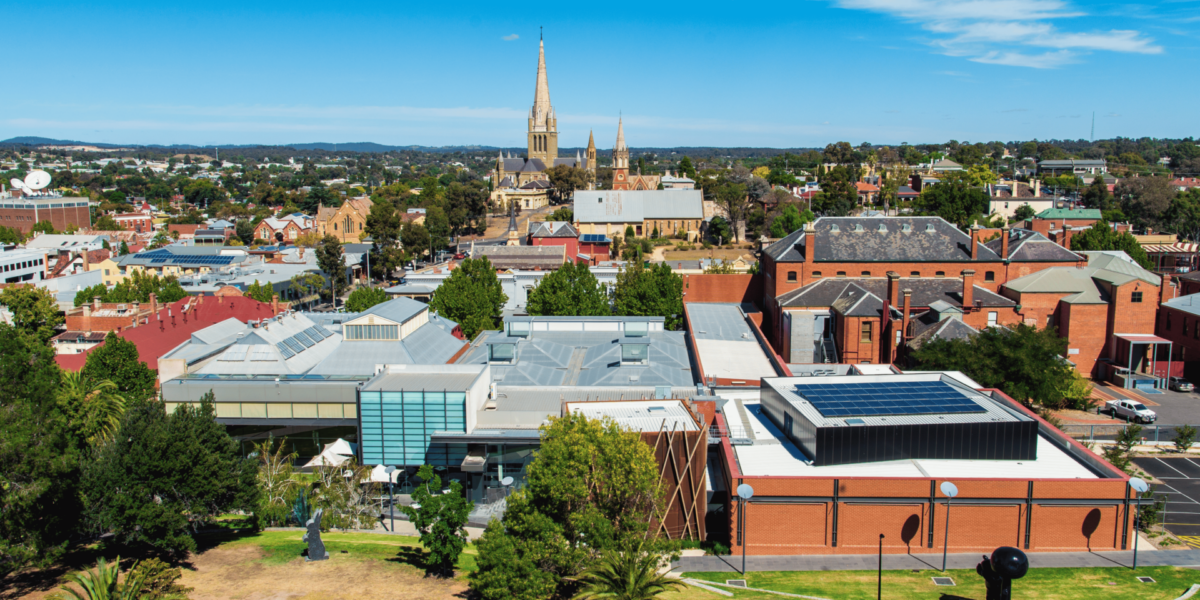
Bendigo offers a layered experience where art, history, and culture intersect in ways that invite deeper exploration. The city’s streets, galleries, and heritage sites reveal a story built over generations, encouraging visitors to engage with it at their own pace.

A City Framed by Gold Rush Heritage

Bendigo’s identity remains closely tied to the gold rush era that transformed it in the 19th century.

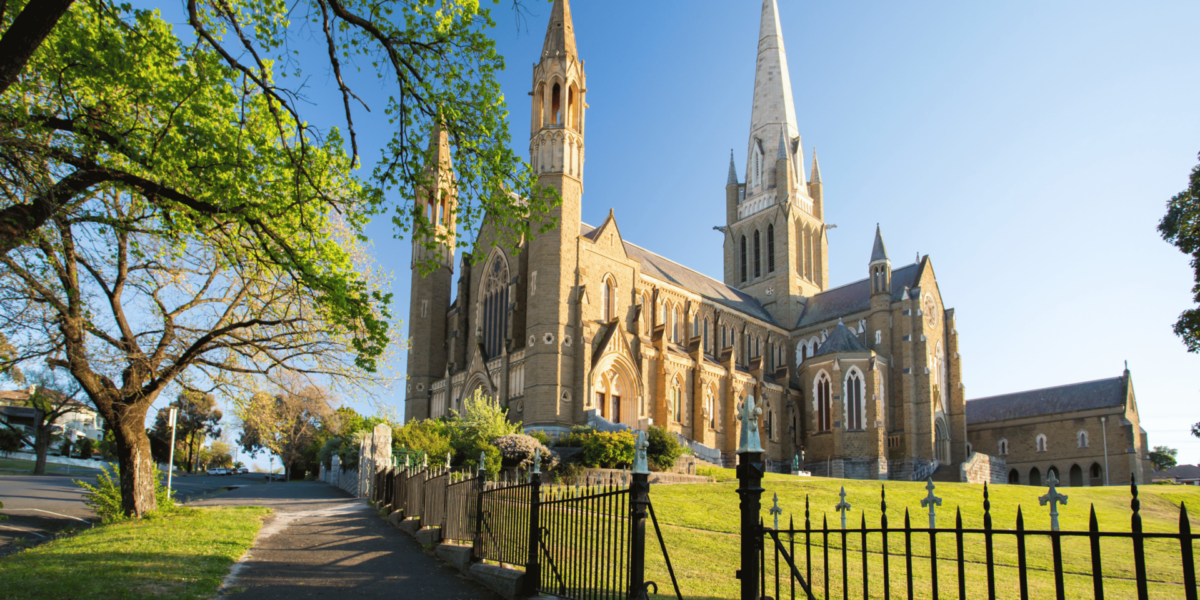
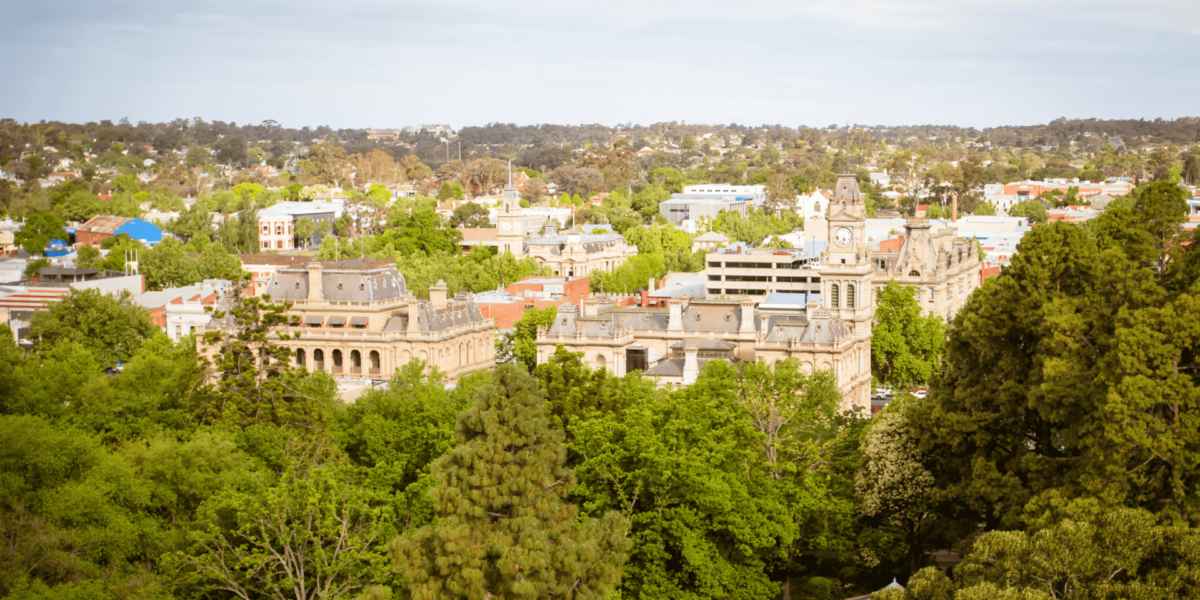
The legacy of that period stands in its architecture—grand public buildings, bluestone foundations, and intricate ironwork. Walking through the central streets places you among façades that speak to the city’s ambition during its peak mining years. These structures form a living backdrop for modern life, blending past and present in a way that keeps history active rather than frozen.

Public Art That Shapes the City’s Character

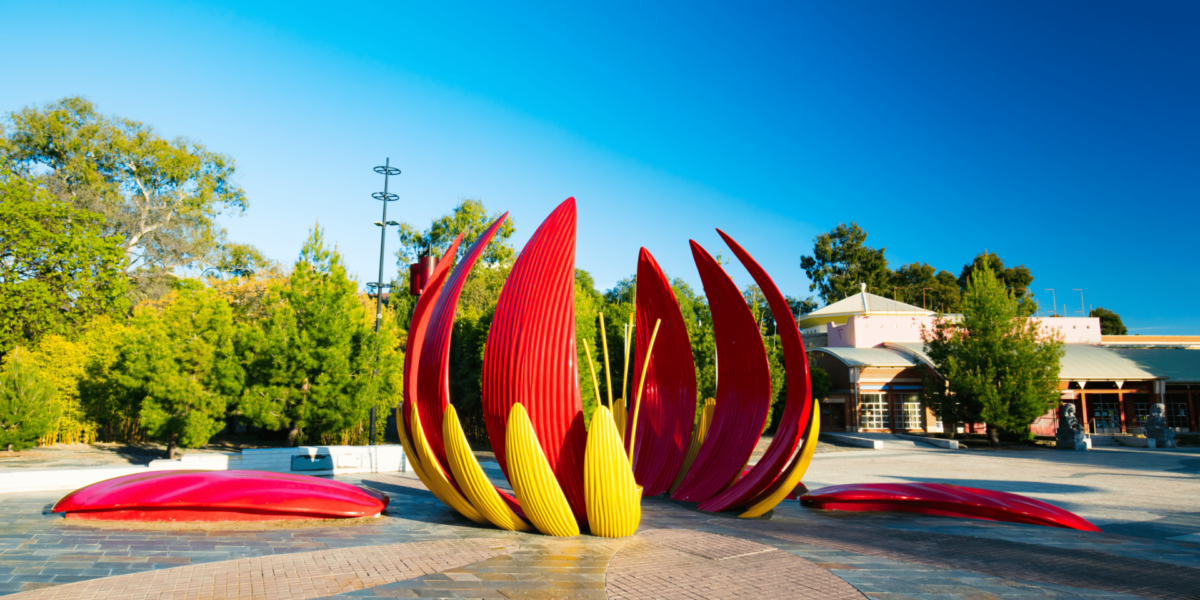
Art in Bendigo exists beyond gallery walls.

Murals, sculptures, and carefully placed installations line public spaces, adding layers of meaning to the urban landscape. Each piece reflects the city’s values, whether through celebrating its heritage, highlighting local talent, or creating conversation around contemporary issues. This integration of art into everyday spaces ensures that creativity remains visible and accessible.

The Cultural Pull of the Bendigo Art Gallery

The Bendigo Art Gallery stands as one of the city’s most recognized cultural anchors.

Its exhibitions span from international showcases to works by regional artists, creating a dynamic program that draws both local and global audiences. The gallery’s curatorial approach connects historical collections with modern interpretations, making each visit relevant regardless of the season. This balance keeps the gallery central to Bendigo’s cultural life.

Heritage Landmarks as Living Museums

Bendigo’s preserved landmarks extend the city’s narrative beyond traditional museum walls.

Historic buildings, many still in use, reveal their stories through preserved details—staircases worn smooth by decades of use, original brickwork, and decorative plaster that has survived changing styles. These spaces remain functional yet carry the texture of their history, offering an authentic connection to the city’s development.

A Realistic Day Immersed in Bendigo’s Culture

You leave your accommodation in the morning and follow the sound of street musicians toward a heritage-lined avenue.

The air is cool, the light soft against the ornate façades. You pass a public sculpture that draws your attention long enough to pause before continuing toward the gallery. Inside, a current exhibition links regional history with contemporary artistic responses, bridging timelines in a single space. By the afternoon, you find yourself in a historic precinct, where the scent of baking bread mixes with the echo of footsteps in narrow laneways. The day unfolds naturally, shaped by proximity and the city’s inviting scale.

Markets and Makers at the Cultural Core

Bendigo’s cultural life includes a strong maker community.

Markets, workshops, and pop-up events offer insight into the region’s craftsmanship, from ceramics to textiles. These gatherings bring together residents and visitors, reinforcing the role of creativity as a shared resource. Each purchase or interaction directly supports the artisans who keep traditional and modern techniques alive.

Green Spaces as Cultural Connectors

Parks and gardens in Bendigo often hold cultural significance alongside their natural beauty.

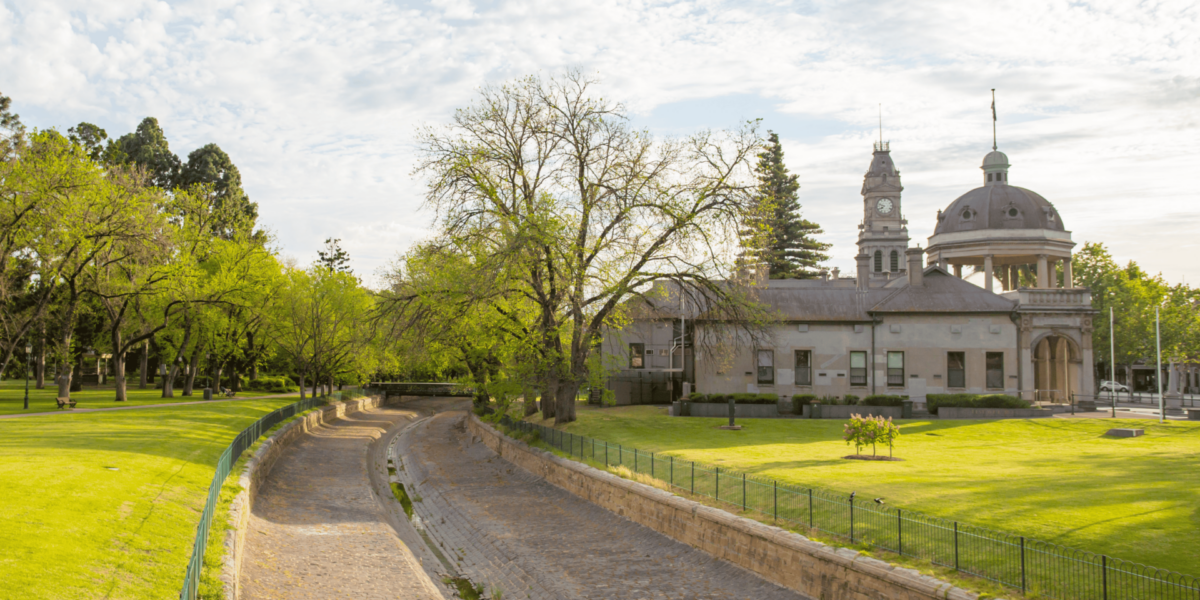
Rosalind Park, with its elevated views and historic conservatory, serves as a meeting place and event venue. Seasonal festivals transform these green spaces into performance areas, gallery extensions, or market grounds, showing how nature and culture can coexist in the city’s daily rhythm.

Theatre and Performance in the Evening Hours

As daylight fades, Bendigo’s cultural life shifts toward performance.

Local theatres and converted heritage halls host live music, drama, and dance. These venues range from grand stages to intimate spaces, each offering an atmosphere shaped by its history and audience. Evening performances add another dimension to the city’s cultural charm, creating experiences that carry into the night.

Cafes and Restaurants as Cultural Hubs

Bendigo’s dining scene often overlaps with its creative community.

Cafes display local artwork, while restaurants collaborate with nearby farms to craft menus rooted in regional identity. This blending of culinary and artistic expression turns meals into cultural encounters, reinforcing the sense of place with every interaction.

Heritage Trails That Tie the Story Together

Walking trails dedicated to Bendigo’s heritage link its art, architecture, and historical sites into a cohesive journey.

These routes are designed for accessibility, allowing visitors to explore without the need for extensive planning. Each turn reveals another layer—an old civic building, a hidden mural, a preserved streetscape—making the city’s narrative both visible and navigable.

Why Immersive Travel Strengthens Cultural Preservation

Choosing to engage deeply with Bendigo’s art and history has a tangible impact.

Visitor participation in cultural events, exhibitions, and heritage tours directly supports the organizations and individuals maintaining these spaces. This investment ensures that the city’s character is preserved while allowing for new interpretations and creative growth.

A City That Rewards Time and Attention

Bendigo’s cultural charm reveals itself most fully to those who slow their pace.

Each gallery visit, market stall conversation, and walk through heritage streets adds to an understanding of the city’s layered identity. The reward is not just in seeing what Bendigo offers but in feeling connected to its ongoing story.
The Sound of Stone: How Architecture Shapes Bendigo’s Arts Scene

Bendigo’s Historic Foundations Amplify Creative Expression

Bendigo’s architecture carries more than historical value—it actively shapes how art is created, displayed, and experienced in the city. Grand facades, ornate interiors, and solid stone walls offer more than shelter; they enhance acoustics, influence staging, and draw emotional weight into cultural spaces.

Walking through the Bendigo city center, you immediately sense how deeply art and architecture are linked. Venues housed in 19th-century banks, halls, and civic buildings give performances and exhibitions a setting rich with texture and resonance. These environments don’t just contain art—they interact with it.

Stone Walls Define Acoustics in Performance Venues

Sound travels differently through a building made of stone. The thick walls reflect and absorb tones in ways that modern materials often cannot. Performers in Bendigo’s heritage venues find their voices and instruments shaped by the space around them, allowing each note to carry depth and clarity.

This relationship between space and sound influences how musicians and actors use their environment. A string quartet rehearsing in The Capital Theatre or a spoken-word artist on the steps of the Town Hall benefits from the acoustics of stonework designed for gatherings, not just utility. Performances adapt to the building, creating a conversation between art and architecture.

Visual Art Gains Weight in Architectural Spaces

Gallery exhibitions in Bendigo often take place in rooms with high ceilings, arched windows, and decorative plasterwork. These features add visual context to the artwork. A painting displayed in a Victorian-era room feels different than one hung on a modern white wall. The surrounding architecture adds tone, history, and presence.

Bendigo Art Gallery, for instance, uses its heritage structure to full effect. Visitors not only see the art—they experience how light filters through old glass, how shadows fall across cornices, and how space encourages stillness. This layering of art and setting enhances meaning without explanation.

Artists Respond to the Built Environment

Local artists often draw direct inspiration from Bendigo’s built landscape. The city’s blend of gold rush elegance and industrial simplicity becomes subject matter, texture, or reference. Painters capture rooftop silhouettes; sculptors echo arches and columns; installation artists use abandoned courtyards to shape immersive works.

This responsiveness creates a loop between maker and place. Artists reflect the city’s features, and their works encourage others to see the architecture in new ways. It’s not uncommon for a creative project to begin with a walk through View Street or a sketch of a civic dome.

Public Art Connects Buildings and Streets

In recent years, public art has begun to bridge the gap between interior culture and exterior experience. Sculptures stand in open squares, murals climb brick walls, and projections light up facades at night. These installations don’t just decorate—they highlight architectural features that may have gone unnoticed.

By placing art directly on or around buildings, Bendigo invites passersby to interact with both. A sculpture at a tram stop draws attention to the vintage shelter behind it. A projection on a courthouse steps into the building’s history. The result is a walking experience filled with culture and awareness.

Adaptive Reuse Strengthens the Arts Ecosystem

Bendigo has made a conscious effort to repurpose old buildings rather than demolish them. Former factories, banks, and warehouses now serve as studios, rehearsal spaces, and independent galleries. These conversions preserve character while creating functional space for the creative community.

For artists, working in a historic building adds layers to the process. A dance troupe practicing in a converted granary experiences the relationship between body, space, and surface. A photographer setting up a shoot in an old council chamber finds inspiration in the setting itself. This dynamic interaction supports artistic growth.

Event Atmosphere Changes with Architectural Mood

Audience experience shifts based on the architecture of the venue. A performance held in an echoing hall lined with sandstone columns feels formal and dramatic. The same performance in a repurposed tram depot might feel more intimate and grounded.

Bendigo’s arts scene leverages these moods to create specific audience experiences. Event planners choose venues not just for size but for tone. A jazz night might land in a warmly lit church basement, while a contemporary exhibit might unfold in a stark former warehouse. Architecture shapes not only form but feeling.

Community Memory Lives in Creative Buildings

Many of Bendigo’s most important creative spaces are also sites of collective memory. Residents remember attending civic events, weddings, and parades in the same places now used for concerts, markets, and workshops. This continuity deepens the connection between culture and identity.

When someone visits a gallery or attends a show in a space they’ve known since childhood, the experience carries additional weight. They’re not just engaging with the art; they’re placing it within a timeline of personal and public history. This emotional resonance strengthens community support for the arts.

Stone and Story Shape Tourism Appeal

Bendigo’s architectural charm helps attract cultural tourists. Visitors are drawn to events not just for their content, but for the chance to explore buildings they’ve read about or seen in photos. Attending a festival inside a historic venue offers a dual experience: entertainment and heritage.

This appeal supports the local economy. Cafés near galleries stay open longer, hotels promote cultural packages, and event organizers plan around the unique assets of their chosen buildings. Architecture becomes a quiet driver of revenue, helping sustain both tourism and the creative sector.

A City That Listens to Its Walls

Bendigo doesn’t separate its buildings from its art—it lets them influence one another. The city’s approach to creative development recognizes that walls, ceilings, and floors aren’t passive backdrops. They shape how art is made, heard, and remembered.

As Bendigo continues to grow, its commitment to architectural preservation and adaptive reuse ensures that its creative voice remains grounded in place. The sound of stone, the weight of timber, the echo of old halls—these are not just remnants of the past. They are active tools in the storytelling of today.

How Bendigo Became a Canvas for Creative Revival

Creative Growth Revives Bendigo’s Identity

Bendigo, once known mainly for its gold rush legacy, has transformed into a modern center for creativity. This shift didn’t happen overnight. Artists, businesses, and local leaders worked together to reshape the city’s image, building a culture rooted in innovation and artistic expression.

As traditional industries slowed, Bendigo turned to its cultural strengths. Art galleries, public installations, and community spaces began to take over old warehouses and historic buildings. Through these changes, the city found a new identity—one driven by creativity and public engagement.

Historic Spaces Became Platforms for Art

Bendigo’s revival began with its buildings. Instead of tearing down old structures, the city embraced restoration and reuse. Former banks, train depots, and factories were converted into studios, theaters, and exhibition halls. This blend of past and present set the tone for creative redevelopment.

These spaces now host everything from contemporary art exhibits to local craft workshops. Their original features—brick walls, timber frames, iron windows—add authenticity and texture to modern installations. Art in Bendigo doesn’t just hang in galleries; it lives in the architecture.

Local Artists Led the Cultural Shift

Bendigo’s creative revival would not exist without local artists. Painters, performers, designers, and musicians began to shape how the city looked and felt. Their influence reached far beyond traditional venues, spilling into streets, markets, and community events.

A local sculptor might display work in a public square, or a writer might host readings in a renovated bookstore. These actions helped residents reconnect with their city while giving artists a voice in shaping its future. The creative community became a driving force behind civic pride and public renewal.

Public Art Turned Streets Into Storyboards

Murals, installations, and street sculptures now line many of Bendigo’s laneways and sidewalks. These public art pieces do more than decorate—they share stories. They reflect local history, explore cultural identity, and invite people to slow down and look closely at their surroundings.

Tourists and residents alike engage with these artworks as part of their daily routines. Whether passing a mural on the way to school or pausing at a sculpture during a walk, people connect with their city in new ways. Public art changed how people move through Bendigo, both physically and emotionally.

Festivals and Events Fueled Visibility

Annual festivals and seasonal events helped raise the profile of Bendigo’s creative scene. Markets featuring handmade goods, music festivals in public parks, and performance art nights all offered platforms for local talent to reach broader audiences.

These events drew attention from across Victoria and beyond, attracting visitors and generating revenue. At the same time, they created shared experiences for residents. A pop-up gallery might bring neighbors together, or a street performance could spark conversation among strangers. Events became both economic engines and tools for social connection.

Government Support Strengthened Creative Infrastructure

Local government played a key role in supporting the arts. Grants, zoning changes, and investment in cultural facilities allowed creative projects to grow. Officials saw the arts as a long-term economic strategy, not just a tourism trend.

Programs supporting young artists and creative entrepreneurs helped keep talent in the region. Rather than relocating to bigger cities, many creators chose to stay and build their careers in Bendigo. Public funding provided stability and encouraged risk-taking, both necessary for a thriving cultural sector.

Schools and Colleges Built Creative Futures

Bendigo’s educational institutions joined the revival by promoting arts education and vocational training in creative fields. Local colleges introduced design, film, and visual arts courses, while primary and secondary schools invested in music and performance programs.

Students gained access to professional mentors, real-world projects, and public showcases. A teenager painting a mural or a student editing a community documentary now sees creative work as a legitimate career path. This shift ensures that future generations will continue to see Bendigo as a place where creativity matters.

Creative Business Revitalized the Economy

As Bendigo’s reputation for creativity grew, businesses began to follow. Independent bookstores, artisan bakeries, craft breweries, and design studios opened across the city. These businesses brought fresh energy to underused spaces and created jobs tied to culture rather than extraction or retail.

This shift created a more resilient local economy. Visitors spend money not only on art but also in cafés, markets, and workshops. Artists collaborate with shop owners on displays, branding, or community events. The creative sector weaves itself into daily economic life, not just special occasions.

Digital Platforms Expanded Reach

Local creatives used digital tools to expand their reach beyond Bendigo. Online portfolios, virtual tours, and social media campaigns allowed artists to connect with global audiences while remaining based in regional Victoria.

A ceramic artist might sell work worldwide from a studio in a converted barn, while a musician might stream a concert recorded in a laneway venue. This digital presence strengthens Bendigo’s creative economy and helps the city attract remote workers, digital nomads, and creative entrepreneurs.

Community Participation Keeps Culture Alive

Bendigo’s creative revival depends on public participation. Residents volunteer at art events, support local creators, and contribute ideas for new projects. The city’s revival isn’t top-down—it’s built through everyday actions.

A teacher leading a student choir, a retiree sketching local landmarks, or a neighbor suggesting a mural concept—all of these contributions matter. Community involvement turns the arts into a shared responsibility and ensures that Bendigo’s revival remains rooted in local life.

Why Bendigo Is Becoming Australia’s Most Unexpected Arts Hub

Bendigo’s Art Growth Stems From Community Investment

Bendigo’s rise in the national arts scene didn’t happen by chance. The city committed resources to support local talent and attract new projects. This investment appears in the form of grants, renovated spaces, and expanded arts programming. As a result, more artists live and work here full-time, bringing their vision into public view.

Galleries and Museums Lead Cultural Development

Major institutions like the Bendigo Art Gallery contribute to the city’s reputation. These venues host touring exhibitions, while also promoting local creators. Exhibits reflect both global trends and regional stories, drawing visitors from across Australia. By balancing big names with local voices, Bendigo creates a distinctive cultural blend.

Public Art Turns the City Into an Open-Air Gallery

Bendigo integrates public art into streets, parks, and transit areas. Murals, sculptures, and temporary installations change how people experience the city. These pieces often respond to local history or current conversations, making them relevant and meaningful. As new works appear, locals engage with the city in fresh ways.

Education Programs Anchor the Arts Long-Term

Bendigo schools and community programs offer hands-on arts education from an early age. Young residents learn painting, music, theater, and digital media. These programs don’t just teach skills—they shape future artists and audiences. Over time, this approach strengthens the city’s cultural foundation.

Local Artists Influence City Identity

Artists in Bendigo shape how the city looks and feels. Their work appears in shop windows, civic spaces, and event branding. They advise on development projects and help design community initiatives. As a result, Bendigo’s aesthetic reflects the people who live there, not just imported trends.

Creative Spaces Encourage Artistic Risk

The city supports affordable studios, shared workspaces, and flexible venues. These environments allow artists to experiment without high overhead. A painter might test a new style, or a performer might debut an original work. This freedom leads to innovation and keeps the local arts scene active.

Events Make the Arts Visible to Everyone

Arts festivals, street performances, and seasonal showcases bring creativity into everyday life. Locals and visitors experience art in markets, alleys, and public squares. These events don’t isolate artists—they connect them with the broader community. This access builds appreciation and invites participation.

Tourism Benefits From Artistic Reputation

Bendigo attracts travelers seeking cultural experiences beyond major cities. Tourists come for exhibitions, performances, and artisan shops. They explore the city through its creative offerings, often returning for future events. This reputation supports the economy while reinforcing the value of local artists.

Artists Choose Bendigo for Its Balance

Creative professionals relocate to Bendigo for space, affordability, and connection. Unlike larger cities, Bendigo offers time and room to focus on work without losing access to audiences. A typical day might include studio time, a meeting with collaborators, and a public showing. The lifestyle suits those looking for both productivity and presence.

Partnerships Fuel Regional and National Recognition

Bendigo artists collaborate with regional and national groups to expand their reach. These partnerships lead to exhibitions, tours, and media features that place local work on larger stages. Each success brings attention back to the city, strengthening its role as an arts hub.

Bendigo Builds Its Arts Future From the Inside

The city isn’t waiting for outside approval. It grows its arts community through internal effort and shared vision. Residents support artists by attending events, funding projects, and offering space. This local support ensures the momentum continues. Bendigo becomes an arts hub not through branding, but through consistent, visible creativity.

How Bendigo’s Creative Spirit Shapes Every Corner of the City

Creativity Defines Bendigo’s Identity

Bendigo doesn’t rely on trends to build its character. The city develops its identity through constant artistic growth, from street corners to studios. Creative energy fuels everything—architecture, events, and daily routines. People here use their surroundings to express ideas, and it shows in the details.

Art Fills Public Spaces with Purpose

Local artists use public walls, park structures, and alleyways to create lasting visuals. These pieces don’t sit behind glass or hang in galleries. Instead, they face traffic, weather, and time. A new mural on a brick wall near the train station changed the flow of pedestrian traffic. People stopped, looked, and walked slower. The city adapted without a formal announcement. Art here doesn’t decorate; it shifts behavior.

Small Studios Influence Big Decisions

In Bendigo, small creative spaces affect more than just those who visit. A single design studio, located near the city center, designed wayfinding signage used in public parks. City officials noticed their work and asked for input on other community projects. Because artists work close to the public, their impact stretches far. City planning teams include them in early meetings to help shape usable spaces.

Creative Thinking Guides Local Business

Many business owners in Bendigo build their brands with design in mind. Storefronts feature custom signs, hand-painted windows, and layout choices that encourage conversation. A bookstore arranged its seating to mimic a reading lounge after a local illustrator suggested a cozier format. These design choices lead to more customer interaction, and businesses notice the results.

Community Events Build on Creative Collaboration

Seasonal events in Bendigo draw on the skills of local creatives. Artists contribute installations, lighting displays, and handmade materials that give each event a unique look. Event planners don’t just hire them for entertainment. They invite them to help structure the space, influence the flow of guests, and suggest visual themes. This results in events that reflect the city, not a generic template.

Schools Focus on Real-World Creative Practice

Education in Bendigo often includes partnerships with working artists. High school students participate in public mural projects or shadow performing arts teams. One school used an empty classroom as a temporary gallery and received public attention, prompting more schools to do the same. This environment encourages students to treat creativity as a serious tool, not just a hobby.

Innovation Shapes Everyday Experiences

Bendigo’s creative spirit doesn’t limit itself to the arts. Innovation shows up in how people move, gather, and share. A walking path through a dense area of the city once caused congestion. A group of local designers proposed subtle changes—adding natural barriers, color-coded paths, and shaded rest areas. The shift improved traffic flow and visitor satisfaction. Their creative solution solved a problem without needing major construction.

Artists and Makers Shape Local Tourism

Tourism in Bendigo thrives on personal connection. Visitors look for things they can’t get elsewhere, and creatives supply them. Jewelry makers, ceramicists, and textile artists open their workshops to the public. Tour guides highlight these visits because they offer a clearer sense of the city’s culture. When guests talk with the people who make what they buy, the experience becomes more memorable.

Creative Voices Influence Civic Decisions

Bendigo invites artists to speak on civic panels, provide feedback on zoning changes, and participate in neighborhood design meetings. Their opinions shape how the city looks and feels. A recent decision to preserve a block of heritage buildings came after a coalition of designers and historians presented their case. Their argument balanced emotional, aesthetic, and functional points—and it worked.

The City Reflects Its People’s Vision

Bendigo does not follow a preset formula for development. The city shifts based on the people who live there and what they create. Artists lead that change, not by asking for permission, but by building what they want to see. They paint, design, and reimagine until others take notice. Over time, the city evolves into a place that reflects their vision, not just in art galleries, but in benches, signs, corners, and views.

Creativity is a Daily Force, Not a Special Event

In Bendigo, creativity doesn’t wait for festivals or openings. It moves through daily life. People shape their spaces with color, ideas, and motion. The city changes one wall, one pathway, one window at a time. Each detail shows how much care and thought lives in this place—and why visitors feel its difference right away.

Why Artists and Creatives Are Flocking to Bendigo

Bendigo offers more than just inspiration. Artists and makers find a supportive network that values creative work. Local councils and organizations provide funding opportunities, studio spaces, and events that showcase local talent. This structure helps emerging creatives feel seen and supported.

Affordable Living With Room to Create

Compared to major cities, Bendigo offers lower living costs and larger workspaces. This balance allows artists to focus more time on their craft instead of struggling with rent. The availability of affordable studios and housing draws creatives who seek long-term stability without sacrificing access to resources.

Historic Backdrops That Spark Ideas

Bendigo’s streets, filled with heritage buildings and preserved architecture, offer daily inspiration. These visual elements influence painters, designers, and photographers alike. The mix of gold rush history and natural beauty gives artists a canvas of ideas to explore in their work.

Access to Local and National Audiences

Artists in Bendigo aren’t isolated. Galleries, festivals, and public installations create a steady flow of exposure. Local art scenes remain connected to larger networks, allowing creatives to reach broader audiences while staying rooted in the community. This balance strengthens both visibility and artistic identity.

Spaces Designed for Making and Sharing

The city has invested in places where art happens. Co-working studios, maker labs, and gallery spaces serve as meeting points for creators across disciplines. These locations foster collaboration and encourage cross-medium projects that might not happen in more fragmented environments.

Education and Mentorship That Fuel Careers

Bendigo’s creative institutions offer education options tailored to visual and performing arts. Many experienced artists also act as mentors, guiding new talent. This culture of learning gives younger creatives a pathway to develop skills and gain confidence without relocating to distant urban centers.

Events That Celebrate Creative Work

Art walks, open studio days, and seasonal festivals give creatives direct access to the public. These events allow artists to present their work, build relationships, and generate income. Regular exposure through curated events makes creative work feel accessible and appreciated.

Inspiration Found in Everyday Life

Life in Bendigo moves at a pace that encourages reflection. Nature reserves, quiet streets, and a strong sense of community give artists space to think and recharge. The city’s layout supports a lifestyle where creativity isn’t rushed but remains productive.

Creative Careers That Can Actually Grow

Many artists move to Bendigo to build sustainable careers. The city’s ecosystem supports both part-time passion projects and full-time creative businesses. With fewer barriers to entry and ongoing support, artists find Bendigo a place where they can grow steadily.

A City Where Creatives Belong

Bendigo attracts artists not just with beauty, but with opportunity. From affordable spaces to active community support, the city provides the right conditions for long-term creative growth. For those looking to live and work in a place that values art, Bendigo offers more than inspiration—it offers belonging.