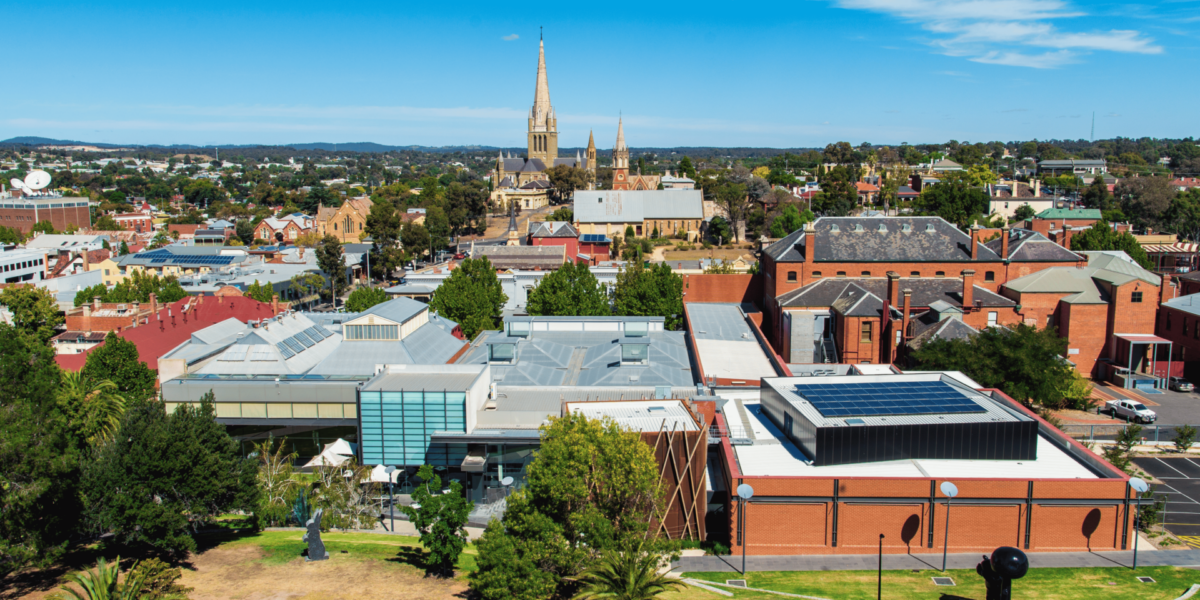
Immersing in Bendigo’s Art, History, and Cultural Charm

Bendigo offers a layered experience where art, history, and culture intersect in ways that invite deeper exploration. The city’s streets, galleries, and heritage sites reveal a story built over generations, encouraging visitors to engage with it at their own pace.

A City Framed by Gold Rush Heritage

Bendigo’s identity remains closely tied to the gold rush era that transformed it in the 19th century.

The legacy of that period stands in its architecture—grand public buildings, bluestone foundations, and intricate ironwork. Walking through the central streets places you among façades that speak to the city’s ambition during its peak mining years. These structures form a living backdrop for modern life, blending past and present in a way that keeps history active rather than frozen.

Public Art That Shapes the City’s Character

Art in Bendigo exists beyond gallery walls.

Murals, sculptures, and carefully placed installations line public spaces, adding layers of meaning to the urban landscape. Each piece reflects the city’s values, whether through celebrating its heritage, highlighting local talent, or creating conversation around contemporary issues. This integration of art into everyday spaces ensures that creativity remains visible and accessible.

The Cultural Pull of the Bendigo Art Gallery

The Bendigo Art Gallery stands as one of the city’s most recognized cultural anchors.

Its exhibitions span from international showcases to works by regional artists, creating a dynamic program that draws both local and global audiences. The gallery’s curatorial approach connects historical collections with modern interpretations, making each visit relevant regardless of the season. This balance keeps the gallery central to Bendigo’s cultural life.

Heritage Landmarks as Living Museums

Bendigo’s preserved landmarks extend the city’s narrative beyond traditional museum walls.

Historic buildings, many still in use, reveal their stories through preserved details—staircases worn smooth by decades of use, original brickwork, and decorative plaster that has survived changing styles. These spaces remain functional yet carry the texture of their history, offering an authentic connection to the city’s development.

A Realistic Day Immersed in Bendigo’s Culture

You leave your accommodation in the morning and follow the sound of street musicians toward a heritage-lined avenue.

The air is cool, the light soft against the ornate façades. You pass a public sculpture that draws your attention long enough to pause before continuing toward the gallery. Inside, a current exhibition links regional history with contemporary artistic responses, bridging timelines in a single space. By the afternoon, you find yourself in a historic precinct, where the scent of baking bread mixes with the echo of footsteps in narrow laneways. The day unfolds naturally, shaped by proximity and the city’s inviting scale.

Markets and Makers at the Cultural Core

Bendigo’s cultural life includes a strong maker community.

Markets, workshops, and pop-up events offer insight into the region’s craftsmanship, from ceramics to textiles. These gatherings bring together residents and visitors, reinforcing the role of creativity as a shared resource. Each purchase or interaction directly supports the artisans who keep traditional and modern techniques alive.

Green Spaces as Cultural Connectors

Parks and gardens in Bendigo often hold cultural significance alongside their natural beauty.

Rosalind Park, with its elevated views and historic conservatory, serves as a meeting place and event venue. Seasonal festivals transform these green spaces into performance areas, gallery extensions, or market grounds, showing how nature and culture can coexist in the city’s daily rhythm.

Theatre and Performance in the Evening Hours

As daylight fades, Bendigo’s cultural life shifts toward performance.

Local theatres and converted heritage halls host live music, drama, and dance. These venues range from grand stages to intimate spaces, each offering an atmosphere shaped by its history and audience. Evening performances add another dimension to the city’s cultural charm, creating experiences that carry into the night.

Cafes and Restaurants as Cultural Hubs

Bendigo’s dining scene often overlaps with its creative community.

Cafes display local artwork, while restaurants collaborate with nearby farms to craft menus rooted in regional identity. This blending of culinary and artistic expression turns meals into cultural encounters, reinforcing the sense of place with every interaction.

Heritage Trails That Tie the Story Together

Walking trails dedicated to Bendigo’s heritage link its art, architecture, and historical sites into a cohesive journey.

These routes are designed for accessibility, allowing visitors to explore without the need for extensive planning. Each turn reveals another layer—an old civic building, a hidden mural, a preserved streetscape—making the city’s narrative both visible and navigable.

Why Immersive Travel Strengthens Cultural Preservation

Choosing to engage deeply with Bendigo’s art and history has a tangible impact.

Visitor participation in cultural events, exhibitions, and heritage tours directly supports the organizations and individuals maintaining these spaces. This investment ensures that the city’s character is preserved while allowing for new interpretations and creative growth.

A City That Rewards Time and Attention

Bendigo’s cultural charm reveals itself most fully to those who slow their pace.

Each gallery visit, market stall conversation, and walk through heritage streets adds to an understanding of the city’s layered identity. The reward is not just in seeing what Bendigo offers but in feeling connected to its ongoing story.

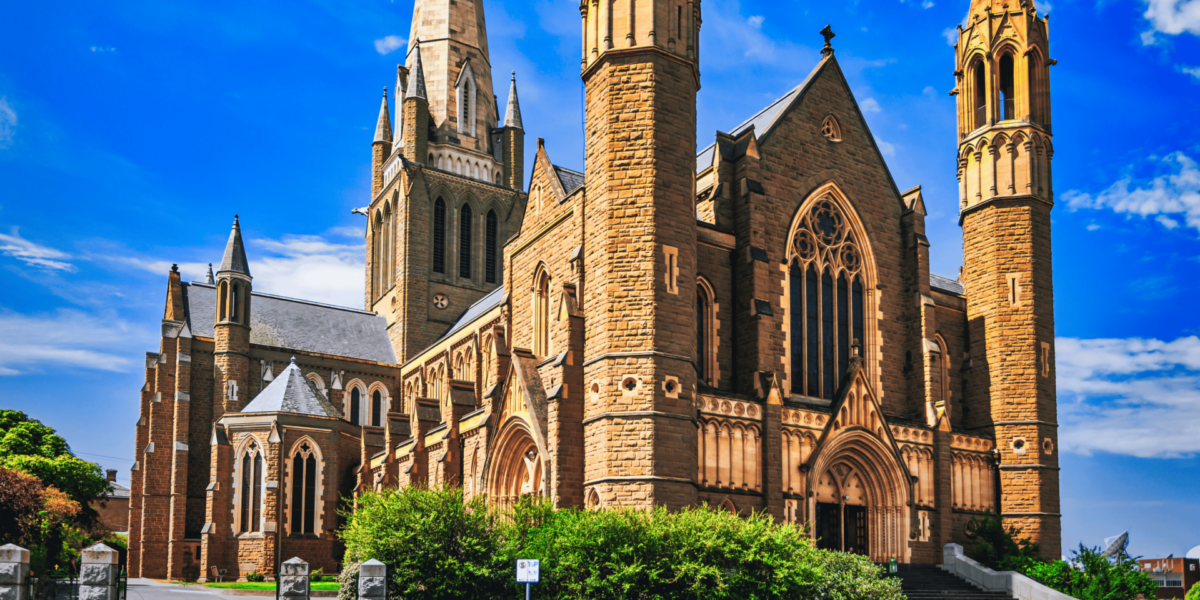
Stepping Inside Bendigo’s Gold Rush Legacy Through Historic Accommodations

Bendigo’s historic accommodations offer more than a place to rest—they immerse guests in the city’s gold rush heritage. These buildings, many over a century old, retain their original character while offering the comfort and convenience modern travelers expect. Staying in one is a way to connect directly with the city’s past while enjoying its vibrant present.

Immersing Yourself in Bendigo’s Gold Rush Past

Bendigo’s gold rush in the mid-1800s transformed a quiet settlement into one of Australia’s wealthiest cities. Streets filled with ornate buildings, constructed by skilled tradespeople using local bluestone and imported ironwork, still shape the city’s landscape today.

When you walk into a heritage property, you encounter more than aged walls. High ceilings, original floorboards, and decorative plasterwork tell stories of an era when Bendigo was a center of global migration and rapid economic growth. These details create a setting that grounds you in history from the moment you arrive.

Preserving Original Features While Adding Modern Comfort

Historic accommodations in Bendigo balance preservation with practicality. Owners restore original timber staircases, iron balconies, and stained glass windows, while discreetly integrating features such as efficient heating, soundproofing, and modern plumbing.

In one restored townhouse, morning light filters through century-old glass panes, casting soft patterns across the polished wood floors. The original fireplace remains, but behind the walls, updated systems ensure warmth in winter and reliable amenities year-round. This careful blending allows guests to experience the authenticity of the past without sacrificing comfort.

Prime Locations in Bendigo’s Cultural Heart

Many of Bendigo’s heritage accommodations sit within walking distance of the city’s key attractions. Staying in these properties places you steps away from the Bendigo Art Gallery, historic streetscapes, and the iconic trams that still operate through the city center.

From your front door, you can wander to a local café housed in another historic building, then stroll past 19th-century shopfronts before spending an afternoon in Rosalind Park. The central location keeps your trip focused on exploration rather than transportation.

Hosts Who Share the Building’s Story

Many heritage stays are run by locals who are deeply connected to both the building’s past and the surrounding community. They often share details about the property’s former life—whether it was once a bank, a post office, or a private home during the gold rush boom.

During check-in, you might hear how original features were discovered and restored, or learn about nearby sites that tie into the same period. These insights add depth to your stay, turning it into a richer, more personal experience.

Architecture That Reflects Gold Rush Ambition

Bendigo’s historic accommodations showcase the design trends of the gold rush era, from elaborate facades to finely crafted interiors. Bluestone walls, iron lacework, and arched windows reveal the wealth and optimism of a city that once rivaled the world’s leading goldfields.

Spending a night in one of these buildings allows you to notice small architectural details—the curve of a hand-carved banister or the symmetry of a Victorian terrace—that connect directly to the craftsmanship of the era.

Your Stay Supports Heritage Preservation

Choosing a historic accommodation in Bendigo helps fund the ongoing preservation of these important buildings. Maintaining structures from the 1800s requires skilled restoration, regular inspections, and specialized care.

Revenue from guest bookings supports these efforts, ensuring that features like slate roofs, original brickwork, and heritage fittings remain intact. Each stay contributes to keeping Bendigo’s architectural history alive for future generations.

A Slower and More Immersive Travel Experience

Heritage stays encourage guests to slow their pace and notice their surroundings. Morning light filtering through original sash windows, the sound of footsteps on solid timber floors, and the scent of polished woodwork invite you to be present in the space.

Instead of rushing from one attraction to the next, you find moments to sit in a quiet lounge, observe the streetscape from a wrought-iron balcony, or simply take in the craftsmanship around you. This slower rhythm fosters a deeper appreciation of both the building and the city.

Options to Match Different Travel Styles

Bendigo’s historic accommodations range from intimate bed and breakfasts to larger boutique hotels. Some offer antique furnishings and period décor for those seeking a more traditional atmosphere, while others combine original architecture with contemporary minimalist interiors.

Whether you prefer the privacy of a small guesthouse or the amenities of a larger property, you can find a heritage stay that suits your style while still offering an authentic connection to the city’s past.

A Realistic Stay in the Heart of History

Imagine arriving in Bendigo for a weekend getaway. Your chosen accommodation is a restored Victorian-era residence with bluestone walls and a cast-iron veranda. As you step inside, the polished wood floors creak softly underfoot. The reception area displays photographs of the building from the late 1800s, and your room features both original ceiling roses and a modern en suite.

That night, you walk to a nearby restaurant in a converted warehouse, passing under streetlamps that illuminate rows of historic shopfronts. Returning to your room, you open the balcony doors and hear the faint sound of a tram bell in the distance. The history around you is not just something you’ve read about—it’s something you’re living.

Connecting Accommodation to the Wider City Experience

Staying in a historic property doesn’t just shape your nights—it shapes your days. The design, materials, and location of your accommodation influence how you move through Bendigo, what you notice, and how you engage with the city’s stories.

From the moment you step outside, you’re part of a streetscape where the buildings echo the same period as your temporary home. This continuity creates a sense of immersion that extends far beyond your room.

Leaving with a Lasting Impression

A stay in Bendigo’s historic accommodations offers more than convenience—it leaves you with a tangible connection to the city’s gold rush past. The combination of preserved architecture, thoughtful restoration, and modern comfort creates an experience that feels both meaningful and memorable.

When you leave, you carry with you not just photographs, but a sense of having been part of the city’s living history. In Bendigo, the legacy of the gold rush isn’t confined to museums—it’s in the very walls that welcome you.

Where History and Comfort Converge in Bendigo’s Heritage Stays

Bendigo’s heritage stays offer more than a place to sleep—they immerse you in the city’s living history. Every hallway, brick wall, and timber beam carries the story of a gold rush city that grew into a vibrant cultural hub. Modern comforts blend seamlessly with preserved details, creating accommodations that feel both authentic and inviting.

Experiencing Bendigo’s Gold Rush Legacy

Walking into a heritage property in Bendigo is like stepping into the late 1800s without losing the ease of today’s travel. Many buildings date back to the height of the gold rush, when Bendigo’s streets bustled with miners, merchants, and travelers from around the world.

You might check into a former bank where polished bluestone walls still stand firm after more than a century. As you walk up a timber staircase smoothed by decades of footsteps, you feel the craftsmanship of an era when durability mattered as much as beauty. The past isn’t just preserved—it’s part of your surroundings.

Restored Features Paired with Modern Amenities

A key appeal of heritage stays is the way original design elements remain intact while essential updates enhance comfort. High ceilings and intricate cornices frame rooms that are now fitted with plush bedding and climate control.

In one restored inn, stained glass windows catch the morning light, casting warm colors across polished hardwood floors. Behind the scenes, discreet upgrades—efficient heating, soundproofing, and modern bathrooms—ensure you rest easily after a day exploring Bendigo’s streets. The result is an experience that respects the building’s history while meeting contemporary expectations.

Prime Locations in the Heart of the City

Most heritage accommodations sit within Bendigo’s cultural and historic core. Staying here means the city unfolds just beyond your doorstep. From your balcony, you might see the spire of a 19th-century church or hear the faint hum of the trams that still roll through town.

You can walk to the Bendigo Art Gallery, explore Victorian-era streets lined with iron lacework, and enjoy a quiet lunch in a courtyard café. The central location lets you plan your days with flexibility, knowing you can return to your room between outings without the need for long commutes.

Hosts Who Bring the Story to Life

Many heritage stays are managed by local owners who know both the building’s history and the city’s rhythms. Their knowledge turns an ordinary visit into a richer experience.

When checking in, you might be welcomed with a brief history of the building—how it once served as a post office, a family home, or even a civic hall. Later, over breakfast, your host might suggest a nearby walking trail that winds past lesser-known architectural gems. These conversations provide insight you won’t find in guidebooks, grounding your trip in the city’s real character.

Architecture as a Window to the Past

Bendigo’s heritage properties showcase architectural styles that reflect its gold rush prosperity. Formal facades, bluestone foundations, wrought iron balconies, and elaborate verandas speak to a period when design was a statement of ambition.

Spending a night in these spaces allows you to notice details that might otherwise go overlooked. You might trace your hand along original brickwork or admire the symmetry of a Victorian terrace. These features are not decorative afterthoughts—they’re integral to understanding the city’s past.

Supporting Preservation Through Your Stay

Choosing heritage accommodation is also a form of preservation. Maintaining historic buildings requires skilled tradespeople, regular inspections, and careful restoration—all of which depend on ongoing use and investment.

Your stay directly contributes to the upkeep of these landmarks. The revenue helps fund repairs to roof tiles, the polishing of original woodwork, and the replacement of period-appropriate fixtures. By booking a room, you help ensure that Bendigo’s architectural legacy remains part of the city’s active life rather than fading into disrepair.

A Slower, More Immersive Travel Experience

Heritage stays encourage a different pace of travel. The environment invites you to notice your surroundings—the way light filters through tall sash windows, the echo of footsteps on a marble hallway, or the scent of aged timber warmed by afternoon sun.

Instead of rushing from attraction to attraction, you find yourself lingering over morning coffee in the dining room or sitting by a window to watch the street below. This slower rhythm lets you experience the city as more than a checklist—it becomes a place you connect with on a deeper level.

Variety to Suit Every Traveler

Bendigo’s heritage accommodations range from intimate bed and breakfasts to boutique hotels with multiple suites. Some offer refined luxury with antique furnishings, while others provide a more minimalist approach that still honors the building’s character.

A solo traveler might choose a small guesthouse on a quiet side street, while a couple could book a spacious suite in a restored Victorian mansion. Regardless of style, each property maintains its individuality, avoiding the uniform feel of chain hotels.

Connecting with the Community

Staying in a heritage property often means supporting local business owners who are deeply invested in the city’s well-being. Many source food, décor, and services from nearby suppliers, contributing to Bendigo’s economy.

During your stay, you may be introduced to local artisans, bakers, or winemakers whose products feature in your meals or room décor. These connections not only enhance your visit but also create a ripple effect that supports the broader community.

Bendigo’s Heritage: An Experience Beyond the Room

The impact of a heritage stay extends beyond the walls of your accommodation. It frames the way you engage with the rest of Bendigo. Walking out the front door, you see the continuity between your lodging and the city’s streetscape.

Historic trams pass by buildings of similar vintage, and public gardens reflect the same civic pride that shaped the architecture. This immersion in Bendigo’s heritage landscape turns your trip into a living history experience, where comfort and culture exist side by side.

A Stay That Leaves a Lasting Impression

When history and comfort converge, your accommodation becomes part of your travel story. Bendigo’s heritage stays offer that balance—spaces where craftsmanship from another century meets the conveniences of the present.

By the time you check out, you carry more than souvenirs. You take with you the memory of creaking staircases, the quiet elegance of a restored dining room, and the sense that you’ve been part of something enduring. In Bendigo, the past is not just remembered—it’s lived.

Tracing History Through Bendigo’s Hidden Laneways

Bendigo’s Laneways Offer Clues to the City’s Gold Rush Past

Bendigo’s hidden laneways provide a living map of its gold rush roots. While the city’s main streets display grandeur and restored facades, the narrow lanes behind them reveal the working-class energy that once fueled Victoria’s mining boom.

As you walk through these backstreets, the uneven stonework and aged bricks speak of a time when miners, merchants, and families moved between buildings carrying out their daily lives. These passageways, many unchanged in layout, offer a close-up look at how the city once operated behind the scenes.

Forgotten Paths Connect Commerce and Community

Many of Bendigo’s laneways were designed not for style, but for function. They connected businesses, storage areas, and workers’ quarters. Deliveries arrived through back doors, goods moved in silence, and shopkeepers crossed lanes to meet suppliers or neighbors.

In today’s landscape, some of these alleys have become shortcuts between cafés and shops, while others remain quiet spaces tucked behind rows of heritage buildings. These paths still serve their original purpose—keeping the city flowing—but now they also invite exploration and reflection.

Historic Murals and Markers Tell Local Stories

Throughout Bendigo’s laneways, modern additions like murals and plaques share the stories of those who once lived and worked there. Painted portraits of miners, handwritten quotes from early residents, and symbols from Chinese and European communities highlight the diverse people who shaped the city.

These visual cues aren’t just decorative—they help locals and visitors understand how much labor, migration, and community went into building Bendigo. Each mural or sign turns an ordinary wall into a storytelling platform, blending the past with the present.

Laneways Reflect Bendigo’s Cultural Exchange

During the gold rush, Bendigo attracted people from around the world. Chinese miners, British settlers, and immigrants from across Europe arrived seeking fortune. The laneways became shared spaces where different cultures crossed paths and sometimes collided.

Today, remnants of that mix remain in the names, architecture, and businesses that line these lanes. A restored brick oven may sit near a temple foundation, or a heritage sign might describe how different groups interacted over shared wells and workspaces. These details bring the city’s multicultural history into focus.

Small Businesses Are Reviving the Hidden Corners

In recent years, Bendigo’s laneways have attracted small business owners who see potential in these narrow, overlooked spaces. Artisan cafés, vintage shops, book nooks, and creative studios now occupy places once used for storage or deliveries.

By adapting historic structures without erasing their character, these businesses help preserve the laneways’ original purpose while adding modern value. A visitor might walk through a lane and discover a coffee shop with exposed stone walls or a design studio in a former carriage house. These spaces bridge past and present in a way that feels natural, not forced.

Guided Walks Highlight Architectural Details

Laneway tours have become a key part of Bendigo’s cultural tourism. Guides take visitors through corridors that often go unnoticed, pointing out subtle architectural features and forgotten signage that reveal stories from the 19th century.

On a walk through one of these routes, you might learn how the curve of a wall indicated a coach turning point or how a certain window style suggested a storage loft. These details bring depth to the buildings and connect today’s streets to the people who once lived in their shadows.

Adaptive Reuse Preserves Historical Character

Bendigo’s laneways have benefited from adaptive reuse projects that restore old structures without removing their identity. Builders and designers work carefully to preserve original stonework, timber beams, and iron signage while updating interiors for new purposes.

This respect for history ensures that the laneways don’t become sterile tourist features. Instead, they remain part of a living, evolving city. Locals appreciate how these preserved features maintain the character of their neighborhoods, while visitors gain a deeper sense of place.

Laneways Strengthen Community Connections

Beyond tourism, the laneways serve a social purpose. During weekend markets, art events, and seasonal festivals, these passageways become gathering spaces. Residents set up stalls, perform music, and share food in the same spots where laborers once hauled supplies.

These events show how public space can bring a city together. In Bendigo, even the narrowest paths can become platforms for connection. This use of space reflects the city’s ongoing commitment to honoring history while supporting local culture.

Nightfall Brings a New Perspective

At night, the laneways take on a different mood. Historic gaslights, soft shadows, and low foot traffic create a quiet atmosphere. This shift highlights different details—textures in the walls, sounds from distant pubs, or faded names on weathered signs.

Night walks reveal how layered Bendigo’s story really is. The laneways slow down the pace, offering time to imagine what the streets felt like when lit only by lantern and guided by memory. That contrast between past and present makes each visit unique.

Bendigo’s Laneways Continue to Evolve

As Bendigo grows, the laneways evolve too. City planners, historians, artists, and residents continue to shape how these spaces are preserved and used. New ideas emerge, from sustainable lighting projects to pop-up galleries, ensuring that the laneways remain active parts of the urban landscape.

This evolution doesn’t erase their roots—it builds on them. Bendigo’s laneways remind us that history is not frozen in time. It lives through the choices communities make to honor, adapt, and reimagine the spaces they inherit.

From Historic Streets to Art-Filled Alleys: A Journey into Bendigo’s Soul

Stepping into Bendigo’s Rich Heritage

Bendigo’s historic streets tell the story of a city built on ambition and resilience. Walking through the well-preserved town center, visitors experience more than architecture—they feel the pulse of a community shaped by gold rush dreams and cultural evolution. Each building carries a legacy that reflects the city’s layered past.

Finding Creative Expression in Unexpected Places

Art thrives in Bendigo’s alleys, laneways, and corners often overlooked. Street murals, small installations, and local exhibitions turn the city into a living canvas. These artistic expressions are not just decorations; they speak to the city’s evolving identity, showing how history and creativity continue to shape Bendigo.

Scenario: A Stroll Becomes a Story

Imagine walking down a quiet street just after sunrise. A mural catches your eye—bold, detailed, and full of meaning. A nearby plaque explains its origin, connecting the artwork to a local event from decades ago. That discovery shifts your understanding of the place. What began as a casual walk becomes a personal connection to Bendigo’s past and present.

Meeting the Makers Behind the Murals

Artists who live and work in Bendigo contribute to its identity with passion and purpose. Their work reflects both individual perspectives and shared experiences of the city. Speaking with a local painter or sculptor reveals how closely tied their creative work is to Bendigo’s culture, economy, and sense of place.

Exploring the Spaces That Inspire Creativity

Bendigo offers a range of venues that support and showcase artistic expression. From community art centers to repurposed factories turned galleries, each space invites reflection and participation. These creative hubs allow residents and visitors to explore different forms of expression in a setting that respects both tradition and innovation.

How History Shapes Creative Innovation

The city’s deep historical roots provide fertile ground for new ideas. Many artists use themes from Bendigo’s past to inspire their current work. This blend of old and new strengthens the cultural fabric, making every exhibit, performance, or installation more meaningful. The past is not a barrier to change—it is a foundation for growth.

Experiencing Culture Through Community Events

Local events provide insight into how Bendigo shares its creative and historic identity with visitors. Seasonal festivals, gallery nights, and heritage tours offer structured ways to experience the city. These events highlight the work of local artists, historians, and performers while also inviting guests to take part in the city’s cultural rhythm.

Walking Through Stories in the Urban Landscape

Each street in Bendigo tells a story, whether through its name, layout, or visual presentation. The city’s urban planning reflects historical changes and community values. Paying attention to these details reveals how Bendigo balances preservation with progress, weaving past narratives into modern spaces.

Creating a Lasting Connection with Place

Visitors who take the time to explore Bendigo on foot often find themselves forming emotional connections. This happens not just through what they see, but through what they learn and feel along the way. The city invites personal reflection, encouraging travelers to see their surroundings with fresh perspective.

Leaving with More Than a Memory

A journey through Bendigo’s historic streets and art-filled alleys stays with travelers long after the visit ends. The experience encourages deeper appreciation for how culture, history, and creativity coexist. By stepping into Bendigo’s soul, visitors gain not just knowledge, but insight that inspires future exploration.

The Curious History Behind Bendigo’s Golden Streets

Bendigo’s rise began with a single discovery. In the 1850s, prospectors unearthed gold in the region, sparking one of Australia’s largest gold rushes. The area quickly transformed from bushland into a booming settlement. Within months, thousands of miners and merchants arrived, each hoping to strike it rich. This influx changed Bendigo’s layout, economy, and future.

A City Built on Gold and Ambition

The wealth drawn from the mines didn’t just benefit a few. It financed roads, railways, and grand buildings. Bendigo’s streets soon featured stone banks, public halls, and wide boulevards—all funded by gold profits. The city’s design reflected confidence in its future. Architects brought European styles to the outback, shaping Bendigo into a symbol of prosperity.

Underground Networks That Tell a Story

Beneath Bendigo lies a vast system of tunnels carved by miners. These hand-dug shafts reveal the sheer scale of effort behind the gold industry. While many tunnels are now closed, some remain preserved as historical sites. They offer a glimpse into the daily life of miners who risked their safety for wealth that built the city above.

The Human Side of the Gold Rush

Behind every gold find was a person with a story. Families moved to Bendigo to start new lives, often leaving everything behind. The city became a place of hope and hardship. Some succeeded. Others struggled. Immigrants from China, Europe, and the U.S. brought culture, language, and labor. Their influence helped shape Bendigo into a diverse and resilient community.

From Tent City to Urban Landmark

Early Bendigo looked nothing like the well-planned city seen today. It began as a collection of tents and makeshift huts. As the gold kept flowing, settlers built permanent structures. Hotels, shops, and government buildings followed. What was once a mining camp became one of Victoria’s most refined urban centers.

Gold-Funded Architecture That Endures

Many of Bendigo’s most iconic buildings were financed by gold. The Bendigo Town Hall, with its ornate interior, stands as a reminder of those times. Even the street layout—broad and symmetrical—reflects deliberate planning influenced by sudden wealth. The visual impact still draws visitors today.

Economic Shifts After the Gold Boom

Eventually, the gold rush slowed. Mines became less productive, and many people moved on. But Bendigo didn’t fade. It adapted. The wealth accumulated during the boom allowed the city to pivot toward manufacturing, retail, and cultural development. This flexibility helped preserve its relevance well into the modern era.

Preserving the Legacy Through Tourism

Today, Bendigo embraces its history without getting stuck in the past. Museums, walking tours, and historical exhibits connect visitors to the gold rush days. Locals protect and promote heritage sites, knowing they offer more than nostalgia. They tell the story of how a town grew into something more than its origins.

Civic Pride Rooted in Gold

Bendigo’s residents remain proud of their city’s beginnings. Gold brought wealth, but it also built a foundation for community. Schools, libraries, and theaters followed the mines. That early investment in public life created a city that valued connection, learning, and culture. These values remain visible today.

Streets That Remember

The golden streets of Bendigo aren’t just a figure of speech. They reflect a past shaped by ambition, labor, and transformation. The city’s rich history lives on in every building, corner, and pathway. For those who visit or live here, Bendigo offers more than charm—it offers a living record of how opportunity shaped identity.