Discovering Bendigo’s Markets, Makers, and Local Flavors

Bendigo’s markets and artisan community create a direct link between the region’s history, creativity, and culinary culture. Exploring these spaces reveals a city where craftsmanship and local produce are central to everyday life.

Markets as the Heart of Bendigo’s Community

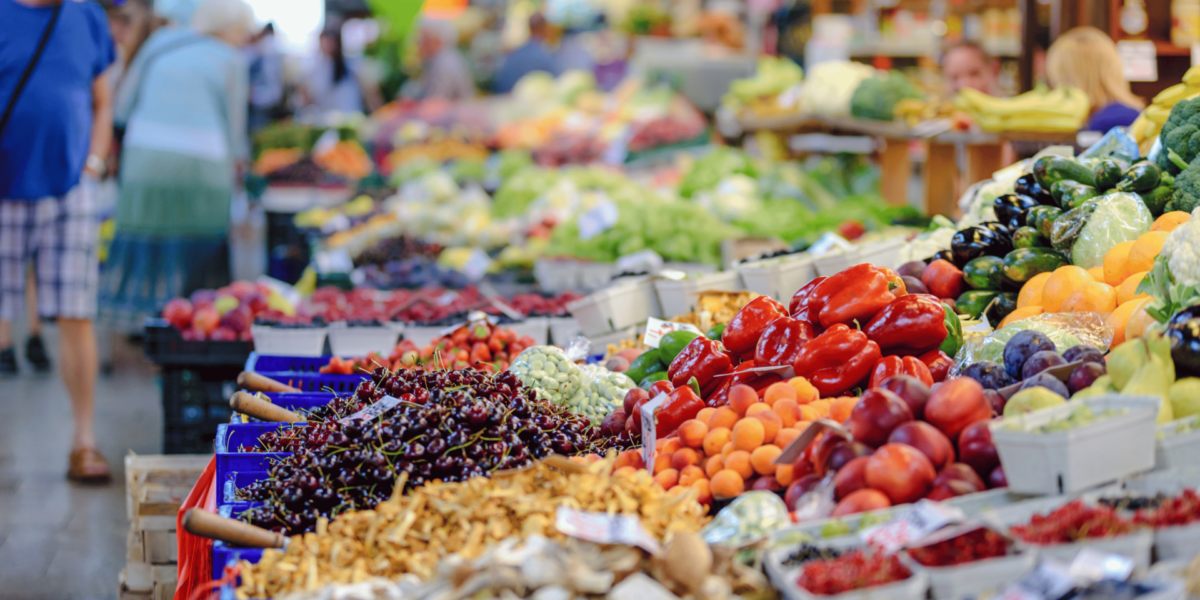
Markets in Bendigo are more than retail spaces—they function as gathering points for residents and visitors alike.

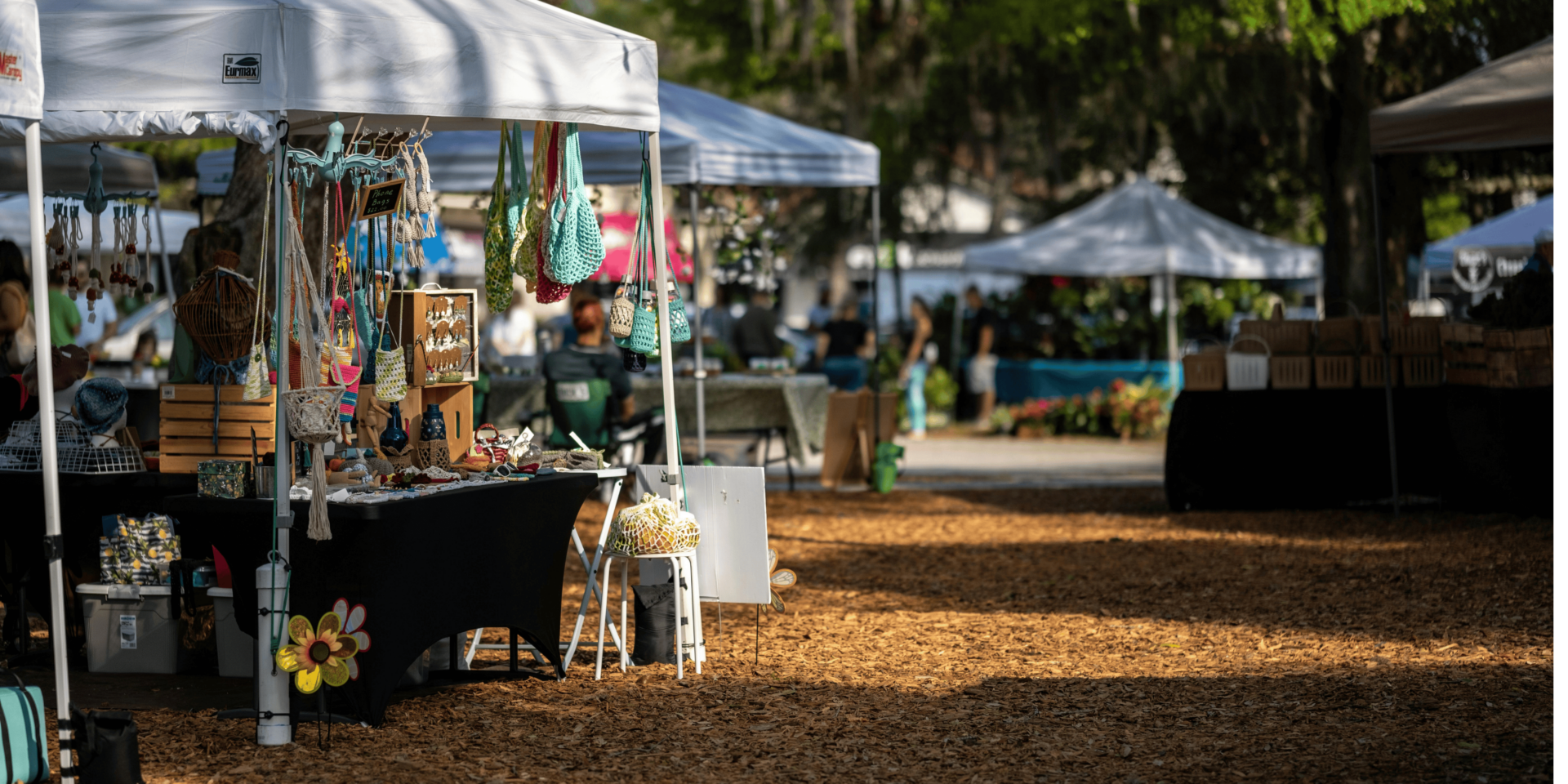
Stalls are often run by people who live and work in the region, offering goods that reflect local identity. Fresh produce, handcrafted homewares, and specialty foods share the same space, creating a vibrant environment that changes with the seasons. The energy of the markets comes from personal interactions, where each transaction feels connected to the community.

A Realistic Day at the Market

You arrive early, when the air is cool, and the scent of baked bread drifts between the stalls.

Traders greet you with a mix of casual conversation and product knowledge. A table of late-summer peaches catches your eye, their color deep under the morning light. Around the corner, the sound of a knife on wood draws you toward a cheesemaker slicing samples for curious passersby. These moments build a rhythm to the visit, shaped by small discoveries and unhurried exchanges.

The Role of Makers in Bendigo’s Cultural Identity

Artisans form the backbone of Bendigo’s creative economy.

From potters and textile artists to woodworkers and jewelers, each maker brings skill, patience, and a distinctive perspective to their work. Many operate from small studios, opening their doors during market days or special events. Their creations often draw on local materials and regional themes, adding depth and authenticity to the finished pieces.

How Food Reflects Bendigo’s Local Story

The city’s culinary scene is tied closely to the surrounding farmland and vineyards.

Seasonal produce arrives at market stalls within hours of harvest, and menus across town adapt to what’s fresh and available. This approach supports farmers while giving diners a taste that’s grounded in the region. Wines from nearby estates often appear alongside these foods, strengthening the connection between what’s grown, made, and served locally.

Specialty Foods That Define the Region

Certain flavors have become synonymous with Bendigo’s food culture.

Artisan breads, small-batch preserves, and locally roasted coffee anchor the market experience. Producers emphasize quality over scale, focusing on techniques that preserve taste and texture. Sampling these goods offers insight into the care behind them, turning each bite into a direct link to the maker’s craft.

Markets as Gateways to Cultural Exchange

Bendigo’s markets often include cultural influences from its diverse population.

Stalls serving global street foods stand beside those offering traditional Australian fare. Handmade goods may feature design elements inspired by migrant communities who settled in the city during and after the gold rush. This blend of traditions creates a market atmosphere that reflects the layered nature of Bendigo’s history.

Seasonal Events That Showcase Local Talent

Throughout the year, Bendigo hosts market events tied to seasonal harvests, holidays, or cultural festivals.

These gatherings draw larger crowds and often feature live music, cooking demonstrations, and artisan showcases. They serve as concentrated opportunities to experience the full range of local talent, from culinary innovation to traditional crafts.

Sustainability in Local Markets

Many Bendigo market vendors prioritize environmentally responsible practices.

Reusable packaging, compostable serving ware, and sourcing from nearby farms reduce the environmental footprint of the goods on offer. This commitment to sustainability strengthens the link between the market and the surrounding landscape, ensuring that local commerce supports both the economy and the environment.

How Markets Strengthen Bendigo’s Economy

Supporting local markets has a direct impact on the city’s economic health.

Money spent with small-scale producers tends to remain within the community, circulating through other local businesses and services. This economic loop sustains the livelihoods of farmers, makers, and shop owners while reinforcing Bendigo’s independence from large-scale supply chains.

A Walk Beyond the Market Stalls

Markets often extend into nearby streets lined with small shops and cafes.

These businesses complement the market experience, offering visitors a chance to continue exploring once their baskets are full. Many shop owners are part of the same artisan network, creating a seamless transition from outdoor stalls to permanent retail spaces.

The Connection Between Makers and Heritage

Bendigo’s maker culture is tied to the city’s heritage as a gold rush hub.

The skills, materials, and entrepreneurial spirit that once drove the mining economy have evolved into a focus on artistry and craftsmanship. Today’s makers carry forward this tradition of self-reliance, applying it to goods designed for modern use while honoring the techniques of the past.

A City That Invites Engagement

Exploring Bendigo’s markets and maker spaces requires active participation.

Conversations with stallholders, tasting new foods, and observing craftsmanship firsthand all deepen the connection between visitor and city. This engagement transforms a simple shopping trip into a cultural experience, leaving a lasting impression long after the visit ends.

Why Local Flavors Matter

Local flavors tell the story of Bendigo in a way that’s both tangible and memorable.

Every product—whether a jar of honey, a handcrafted mug, or a bottle of wine—carries the influence of the land, climate, and people who created it. Choosing these goods supports the ongoing narrative of the city, ensuring that its character remains vibrant and distinct.

Savoring Slow Mornings and Hidden Cafes in Bendigo

Bendigo’s charm unfolds at an unhurried pace, especially in the early hours. The city’s hidden cafes, often tucked into heritage buildings or along quiet streets, offer more than coffee—they create a rhythm that defines the local way of life.

The Quiet Appeal of Early Mornings in Bendigo

Mornings in Bendigo invite a slower start, allowing time to take in the details that often go unnoticed.

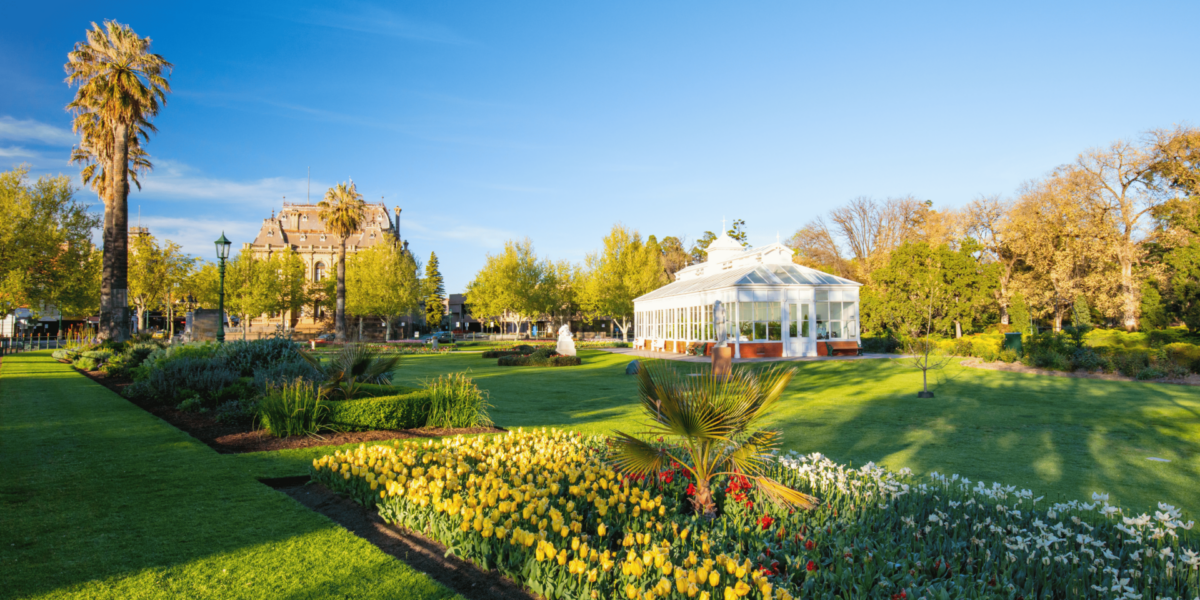
The first light filters through heritage streets, highlighting ornate facades and casting long shadows across the footpaths. This calm sets the tone for the day, encouraging both locals and visitors to pause before the city’s energy builds. The gentle start provides space for reflection, a quality that defines Bendigo’s morning culture.

Heritage Settings Enhance the Café Experience

Many of Bendigo’s hidden cafes occupy restored gold rush-era buildings, adding texture and depth to the morning routine.

Original timber beams, high ceilings, and decorative plasterwork create an atmosphere that feels rooted in history. These architectural details turn a simple breakfast into a sensory experience, connecting the present to the city’s past. The blend of preserved character and modern comfort makes each visit distinct.

A Realistic Morning in Bendigo’s Café Scene

You walk from your accommodation toward a quiet laneway where a small café is just opening.

The scent of freshly ground beans drifts into the street. Inside, the floor creaks underfoot, and sunlight cuts across tables worn smooth by years of use. A barista greets you with familiarity, taking your order without haste. The space feels alive yet unhurried, shaped by both the building’s history and the people who keep it thriving.

Locally Sourced Menus Reflect Bendigo’s Regional Ties

Hidden cafes in Bendigo often build their menus around produce from surrounding farms and markets.

Seasonal fruits, artisan breads, and small-batch dairy products appear regularly, reflecting the city’s connection to its agricultural roots. By choosing local suppliers, these cafes keep the region’s economy active while offering fresher, more flavorful dishes. The result is a menu that reflects both place and season.

Community Connections Shape the Atmosphere

Small, locally owned cafes create an environment where conversation feels natural and unforced.

Owners often greet regulars by name, and new faces are welcomed with the same warmth. These interactions build a sense of belonging, even for visitors passing through. The shared experience of a morning coffee becomes a quiet act of community building, rooted in genuine human connection.

Exploring Bendigo on Foot After Breakfast

The proximity of Bendigo’s hidden cafes to cultural and historic landmarks makes it easy to continue the day without rushing.

From a central table near the window, you can plan a short walk to galleries, parks, or markets. The city’s compact design encourages this kind of exploration, reducing the need for transport and allowing for spontaneous discoveries along the way.

Supporting Local Businesses Strengthens Bendigo’s Identity

Every visit to a hidden café contributes to the city’s economic and cultural health.

Revenue stays within the community, supporting jobs, local suppliers, and the upkeep of historic properties. This cycle reinforces Bendigo’s distinct identity, ensuring that independent businesses remain a central part of the city’s character.

The Role of Design in Creating Memorable Cafes

Attention to layout and atmosphere is central to the appeal of Bendigo’s smaller cafés.

Furniture choices, lighting, and table placement often work together to create an intimate yet functional space. Many owners intentionally retain original building features, integrating them into the design to preserve authenticity. This deliberate approach to design shapes the overall experience as much as the menu does.

Why Hidden Cafes Encourage Slower Travel

Hidden cafés encourage visitors to adopt a different pace—one that values presence over efficiency.

The absence of loud music, crowded tables, or rushed service allows space for lingering. Reading a book, writing in a journal, or simply watching the street become natural parts of the visit. This slower rhythm deepens the connection to the city, creating memories that last beyond the trip.

Morning Rituals That Stay With You

The combination of heritage settings, local flavors, and unhurried service makes Bendigo’s hidden cafes more than places to eat.

They become part of a personal ritual—moments where time feels less constrained. For many, these mornings form the strongest impressions of their stay, shaping how they remember the city long after they leave.

Bendigo’s Hidden Cafes as Cultural Landmarks

Over time, many hidden cafes have become informal cultural landmarks within the city.

Locals recommend them to friends, visitors seek them out for authenticity, and returning guests make them a regular stop. In this way, cafés become woven into Bendigo’s story, representing both its living culture and its preserved history.

The Lasting Value of Slow Mornings

Choosing to begin the day in a hidden café offers more than immediate comfort.

It encourages a deeper appreciation for the city’s architecture, flavors, and people. This choice aligns with sustainable tourism values, where time spent locally supports both economic vitality and cultural preservation.

A City Best Experienced One Morning at a Time

Bendigo rewards those who approach it with patience.

By savoring slow mornings and discovering hidden cafes, you step into the city’s rhythm rather than imposing your own. Each visit becomes part of a larger story—one shaped by the streets, the people, and the quiet spaces that hold Bendigo’s character.

From Vineyards to Vaults: A Journey Through Bendigo’s Taste and Heritage

Bendigo’s Heritage Is Rooted in Gold and Grit

Bendigo’s story begins with the gold rush that reshaped Victoria in the 1850s. The city grew quickly, fueled by miners, traders, and settlers seeking fortune. Grand architecture and cultural institutions soon followed, leaving a visible mark on the landscape.

Today, Bendigo’s wide streets, stately buildings, and preserved facades offer more than aesthetic value—they tell the story of rapid development, community ambition, and hard-earned prosperity. Visitors walking through the city center can sense that this place was once a hub of global attention.

Regional Flavors Reflect Deep Agricultural Ties

Beyond its gold rush legacy, Bendigo holds a strong connection to the land. Surrounding the city, fertile plains and gentle slopes support vineyards, orchards, and farms. These landscapes provide the region’s chefs, winemakers, and producers with high-quality ingredients grown close to home.

A visitor stepping into a local restaurant may find seasonal produce from nearby farms or a glass of wine sourced from a vineyard less than an hour away. This direct link between land and table strengthens the region’s culinary identity, setting it apart from more industrialized food scenes.

Vineyards Shape Bendigo’s Modern Identity

Wine production plays a key role in Bendigo’s taste and tourism economy. The region’s warm climate and mineral-rich soil support grape varieties like shiraz, cabernet sauvignon, and chardonnay. Small wineries, often family-run, line the hills surrounding the city and welcome guests for tastings and tours.

These vineyard visits offer more than a chance to sample wine. They provide insight into generational farming, sustainable practices, and the changing nature of rural business. Winemakers share stories of drought, harvest, and innovation—connecting visitors with the challenges and rewards of working the land.

Food Markets Offer a Taste of Local Life

Bendigo’s farmers’ markets and artisanal food fairs showcase the region’s commitment to local sourcing. These events allow small producers to connect directly with customers, offering goods that reflect the flavors of central Victoria.

A weekly visit to the market may include fresh bread baked in a stone oven, aged cheese from a nearby creamery, or herbs gathered just hours before. These small purchases represent a broader shift toward sustainable and community-supported food systems—values that align with Bendigo’s growing identity as a regional food destination.

Vaulted Spaces Reveal Cultural Riches

While the city’s flavor is rooted in its soil, Bendigo’s artistic and historical treasures lie behind heavy doors and beneath stone arches. Museums, banks, and historic buildings hold vaults that once stored gold, documents, and artifacts. Today, many of these spaces have been repurposed to house collections and exhibits.

Stepping into one of these buildings offers a shift in perspective. Visitors move from open, modern streets into dim corridors lit by low bulbs and lined with display cases. In these spaces, the city’s past feels tangible. Maps, mining tools, textiles, and journals reveal how daily life once unfolded here—and how much of that life continues in altered form.

Culinary Experiences Bridge Past and Present

Restaurants and cafes across Bendigo often operate inside restored heritage buildings. Exposed beams, brick walls, and original tile floors give each space a unique character, linking modern cuisine to historic foundations. This pairing of old and new enhances the dining experience, grounding each meal in a sense of place.

A guest seated near a vaulted ceiling might enjoy a dish prepared with heirloom tomatoes grown nearby. This type of setting reinforces Bendigo’s commitment to authenticity, where both architecture and ingredients reflect regional roots.

Wine and History Tours Deepen Visitor Engagement

Several local experiences now combine food, wine, and history into immersive journeys. These guided tours might begin with a walk through a historic site, followed by tastings at local vineyards or meals prepared by regional chefs.

Rather than focusing only on facts or flavor, these tours highlight the connections between culture and cuisine. Guests learn how climate, trade, and migration influenced both Bendigo’s economic history and its food scene. Each stop adds context, turning a day of tasting into a deeper exploration of the region’s heritage.

Artisans Preserve Heritage Through Craft

In addition to food and wine, Bendigo supports a strong community of craftspeople. Potters, glassmakers, weavers, and metalworkers produce goods inspired by both tradition and innovation. Many use techniques passed down through generations, while others blend historic forms with modern design.

These makers often work from studios in heritage buildings, further connecting their craft to the city’s history. A visit to a ceramic shop might include a short history of the building’s original use and insight into how local clay shapes the artist’s process. These details give weight to every object and every story behind it.

Sustainability Strengthens the Region’s Future

As Bendigo grows, sustainability guides how food, wine, and culture evolve. Wineries adopt organic practices, restaurants reduce waste, and historic buildings are restored with environmental impact in mind. This approach not only protects the land—it ensures that future generations will continue to enjoy what the region offers.

In practical terms, this means more solar-powered tasting rooms, eco-friendly packaging, and community partnerships focused on resilience. These efforts reflect a clear choice: Bendigo’s revival depends on thoughtful stewardship, not short-term gains.

Heritage Tourism Supports Local Communities

Bendigo’s journey from goldfields to gourmet destination has brought new life to its economy. Tourists visit not only for museums and wine tastings but also for connection—connection to land, to story, and to people keeping tradition alive.

This interest supports farmers, artists, chefs, and educators who make the city vibrant. Each dollar spent on local wine or handmade goods returns to the region. Heritage tourism strengthens small towns when visitors understand the value of what they see, taste, and learn.

From Goldfields to Gourmet: The Evolution of Bendigo’s Culinary Scene

Bendigo’s Gold Rush Roots Shaped Its Early Food Culture

The gold rush brought people from many cultures to Bendigo, each with distinct food traditions. Makeshift kitchens and open-fire meals filled the mining camps. Basic ingredients, often traded or grown nearby, formed the foundation of early dishes. These meals focused on survival, not flavor, but laid the groundwork for the city’s food identity.

Migration Brought New Flavors and Techniques

As miners settled permanently, they brought family recipes and cooking styles into the city. Communities formed around shared meals, with backyard gardens supplying herbs and vegetables. Local markets expanded, offering ingredients once hard to find. Food moved from function to expression, and home kitchens became places where culture stayed alive.

Local Ingredients Became Central to Bendigo Dining

Today, many restaurants in Bendigo build their menus around ingredients grown or raised nearby. Chefs visit farms, learn seasonal cycles, and adjust recipes based on availability. This direct connection between food creators and producers allows for fresh, thoughtful meals. Diners experience the region with every plate.

Chefs Use History as a Creative Foundation

Modern kitchens in Bendigo often reference the city’s past. Some reinterpret miner meals with new techniques, while others highlight ingredients once overlooked. These choices add depth to the dining experience. Food becomes a conversation between then and now, without needing to imitate old recipes.

Small Businesses Drive Culinary Innovation

Independent cafés, bakeries, and kitchens lead much of Bendigo’s food progress. Owners test new ideas, challenge traditions, and shape public taste. A small café in a quiet street might develop a method that later shows up in larger venues. This bottom-up model fuels variety and keeps the city’s food culture flexible.

Farmers and Makers Strengthen the Local Food Network

Bendigo’s food supply doesn’t rely solely on large distributors. Farmers, cheesemakers, and brewers often work directly with chefs. Weekly farmers markets serve as meeting points where plans take shape and new products get tested. This network encourages collaboration and gives food a local fingerprint.

Culinary Education Expands Local Skill Sets

Schools and programs in Bendigo teach practical cooking and food science. Students grow ingredients, learn kitchen basics, and even serve meals to the public. These programs don’t just train future chefs—they build a deeper understanding of how food systems work. The result is a community that values skill and sustainability.

Events Turn Dining Into Shared Experience

Bendigo hosts food-focused events throughout the year. These include street festivals, themed pop-ups, and chef collaborations. Local cooks prepare meals in public spaces, inviting conversation between guests and creators. These events help residents and visitors understand how the city’s food has changed—and why that change matters.

Tourism Relies on Authentic Food Encounters

Visitors often choose Bendigo for its food. They don’t come just for meals, but for the people and stories behind them. Restaurants offer more than dishes—they provide insight into local farming, heritage, and values. This connection adds depth to tourism and encourages return visits.

Bendigo’s Culinary Identity Reflects Its Growth

Food in Bendigo now mirrors the city’s evolution. It balances respect for the past with hunger for new ideas. What began as a need to feed miners has turned into a platform for creativity and connection. As chefs and communities shape what’s next, every dish tells part of Bendigo’s story.

The Future of Bendigo Food Builds on Community

Bendigo’s food scene continues to change, but it stays rooted in cooperation. Chefs, growers, educators, and diners shape the next chapter together. Their combined efforts keep the scene honest, innovative, and grounded. This ensures that as Bendigo grows, its food stays close to its people.

From Gold Rush to Gourmet: A Journey Through Bendigo’s Food Scene

Bendigo’s rise during the gold rush left more than just wealth—it shaped the city’s diversity and identity. People from across the globe arrived in search of opportunity, and many brought their food traditions with them. Today, that legacy remains visible in the variety of cuisines and food styles offered across the city.

Historic buildings that once served miners and merchants now house restaurants, bakeries, and wine bars. The connection between past and present isn’t just visual—it influences how the city cooks, eats, and serves. Local menus often include references to traditional methods, heritage produce, and long-standing family recipes.

Bendigo’s food story begins in history, but it continues to evolve with every new dish served.

Local Ingredients Define Bendigo’s Seasonal Menus

Chefs and producers in Bendigo take full advantage of the region’s climate and soil. Local farms supply fresh vegetables, fruit, meat, and wine grapes, which appear regularly on restaurant menus and at weekly markets. Seasonal cooking is not a trend here—it’s a way of life.

Visitors notice this connection in every meal. Ingredients are chosen based on availability, not convenience. Menus shift with the weather, reflecting what’s growing nearby. Restaurants work directly with growers, bakers, and butchers to source ingredients from within the region.

This tight local network gives Bendigo’s food a strong sense of place, flavor, and purpose.

Bendigo’s Restaurants Balance Tradition and Innovation

Bendigo’s dining scene offers both classic comfort and modern creativity. Many restaurants celebrate regional heritage by preparing dishes that highlight local flavors while applying refined techniques. Others take a more experimental approach, blending global inspiration with Australian produce.

The range of food available doesn’t feel forced or overly curated. Whether visitors want a relaxed lunch, a formal dinner, or something in between, they can find it within the city’s compact center. Food here doesn’t just follow trends—it reflects what the community values: honesty, quality, and care.

This balance keeps diners engaged and returning for new experiences.

Cafés and Bakeries Serve as Everyday Gathering Spaces

While fine dining attracts attention, Bendigo’s cafés and bakeries anchor the city’s daily food culture. These venues do more than serve coffee or pastries—they create meeting points for locals and travelers alike. The atmosphere is informal, the service is personal, and the food is often made from scratch.

Local bread, small-batch pastries, and carefully sourced coffee define the rhythm of the city. These spots often open early and stay busy throughout the day. Many are located in renovated heritage buildings, adding character to each visit.

These venues make food part of daily life, not just special occasions.

Food Markets Connect Visitors to Local Producers

Bendigo’s regular markets give travelers direct access to the region’s producers. Held in central locations, these events highlight fresh produce, artisan goods, and ready-to-eat meals that reflect the area’s agricultural strengths. Shoppers can meet growers, taste seasonal fruit, and explore products made just a few kilometers away.

Markets also support a sustainable food economy. By purchasing directly from producers, consumers reduce the distance food travels and support local businesses. This exchange isn’t just about shopping—it’s a way to learn where food comes from and why it matters.

Markets help build a food culture based on transparency, trust, and connection.

The Wine Scene Adds Depth to Bendigo’s Culinary Identity

Bendigo’s food scene is closely tied to its local wine industry. Vineyards surrounding the city produce high-quality reds and whites that feature prominently in restaurants and bars. Many venues work with specific winemakers to pair bottles with dishes, offering a deeper experience of regional flavor.

Wine tastings, cellar doors, and vineyard tours offer another way to explore the area’s food culture. These experiences allow travelers to engage with the people who grow the grapes and craft the blends. Wine is not treated as a luxury—it’s treated as part of everyday enjoyment.

This relationship between food and wine adds complexity and care to Bendigo’s dining reputation.

Cultural Diversity Expands the City’s Food Landscape

Bendigo’s multicultural history continues to influence its culinary offerings. From long-standing Chinese-Australian traditions to more recent arrivals bringing Middle Eastern and Southeast Asian flavors, the food landscape reflects many voices.

Small eateries and family-run kitchens often serve food rooted in personal history and global heritage. These businesses add depth to the city’s food culture and help it grow beyond trends. Bendigo doesn’t just offer variety—it offers authenticity.

Diverse perspectives ensure the food scene remains dynamic, inclusive, and relevant.

Events and Festivals Celebrate Food as a Shared Experience

Throughout the year, Bendigo hosts food festivals that draw attention to regional specialties, seasonal harvests, and culinary traditions. These events bring producers, chefs, and the community together in open spaces designed for tasting and storytelling.

Visitors can expect street food markets, long-table dinners, cooking demonstrations, and themed tastings across the city. These festivals often coincide with arts and culture events, adding another layer to the experience.

Food becomes more than a product—it becomes a way to connect with the city and its people.

Food Tourism Makes Bendigo a Destination Worth Staying For

More travelers now choose Bendigo as a base not just for sightseeing, but for eating. With high-quality dining, local wine, and accessible food experiences, the city offers enough to build a full itinerary around food alone.

Whether visitors stay for a weekend or a week, they can explore the city through meals, markets, and vineyard visits. Food isn’t just a highlight here—it’s part of the identity. People come to taste, but they leave with a deeper sense of the region.

Bendigo proves that great food doesn’t only belong in capital cities.

A City Where Food Reflects Place, People, and Progress

Bendigo’s food scene continues to grow, guided by its history and shaped by its community. From gold rush kitchens to modern wine bars, the journey shows how food can carry stories forward while still creating something new.

Booking a table here means more than enjoying a meal. It means tasting the work, care, and collaboration behind it.