Discovering Bendigo’s Markets, Makers, and Local Flavors

Bendigo’s markets and artisan community create a direct link between the region’s history, creativity, and culinary culture. Exploring these spaces reveals a city where craftsmanship and local produce are central to everyday life.

Markets as the Heart of Bendigo’s Community

Markets in Bendigo are more than retail spaces—they function as gathering points for residents and visitors alike.

Stalls are often run by people who live and work in the region, offering goods that reflect local identity. Fresh produce, handcrafted homewares, and specialty foods share the same space, creating a vibrant environment that changes with the seasons. The energy of the markets comes from personal interactions, where each transaction feels connected to the community.

A Realistic Day at the Market

You arrive early, when the air is cool, and the scent of baked bread drifts between the stalls.

Traders greet you with a mix of casual conversation and product knowledge. A table of late-summer peaches catches your eye, their color deep under the morning light. Around the corner, the sound of a knife on wood draws you toward a cheesemaker slicing samples for curious passersby. These moments build a rhythm to the visit, shaped by small discoveries and unhurried exchanges.

The Role of Makers in Bendigo’s Cultural Identity

Artisans form the backbone of Bendigo’s creative economy.

From potters and textile artists to woodworkers and jewelers, each maker brings skill, patience, and a distinctive perspective to their work. Many operate from small studios, opening their doors during market days or special events. Their creations often draw on local materials and regional themes, adding depth and authenticity to the finished pieces.

How Food Reflects Bendigo’s Local Story

The city’s culinary scene is tied closely to the surrounding farmland and vineyards.

Seasonal produce arrives at market stalls within hours of harvest, and menus across town adapt to what’s fresh and available. This approach supports farmers while giving diners a taste that’s grounded in the region. Wines from nearby estates often appear alongside these foods, strengthening the connection between what’s grown, made, and served locally.

Specialty Foods That Define the Region

Certain flavors have become synonymous with Bendigo’s food culture.

Artisan breads, small-batch preserves, and locally roasted coffee anchor the market experience. Producers emphasize quality over scale, focusing on techniques that preserve taste and texture. Sampling these goods offers insight into the care behind them, turning each bite into a direct link to the maker’s craft.

Markets as Gateways to Cultural Exchange

Bendigo’s markets often include cultural influences from its diverse population.

Stalls serving global street foods stand beside those offering traditional Australian fare. Handmade goods may feature design elements inspired by migrant communities who settled in the city during and after the gold rush. This blend of traditions creates a market atmosphere that reflects the layered nature of Bendigo’s history.

Seasonal Events That Showcase Local Talent

Throughout the year, Bendigo hosts market events tied to seasonal harvests, holidays, or cultural festivals.

These gatherings draw larger crowds and often feature live music, cooking demonstrations, and artisan showcases. They serve as concentrated opportunities to experience the full range of local talent, from culinary innovation to traditional crafts.

Sustainability in Local Markets

Many Bendigo market vendors prioritize environmentally responsible practices.

Reusable packaging, compostable serving ware, and sourcing from nearby farms reduce the environmental footprint of the goods on offer. This commitment to sustainability strengthens the link between the market and the surrounding landscape, ensuring that local commerce supports both the economy and the environment.

How Markets Strengthen Bendigo’s Economy

Supporting local markets has a direct impact on the city’s economic health.

Money spent with small-scale producers tends to remain within the community, circulating through other local businesses and services. This economic loop sustains the livelihoods of farmers, makers, and shop owners while reinforcing Bendigo’s independence from large-scale supply chains.

A Walk Beyond the Market Stalls

Markets often extend into nearby streets lined with small shops and cafes.

These businesses complement the market experience, offering visitors a chance to continue exploring once their baskets are full. Many shop owners are part of the same artisan network, creating a seamless transition from outdoor stalls to permanent retail spaces.

The Connection Between Makers and Heritage

Bendigo’s maker culture is tied to the city’s heritage as a gold rush hub.

The skills, materials, and entrepreneurial spirit that once drove the mining economy have evolved into a focus on artistry and craftsmanship. Today’s makers carry forward this tradition of self-reliance, applying it to goods designed for modern use while honoring the techniques of the past.

A City That Invites Engagement

Exploring Bendigo’s markets and maker spaces requires active participation.

Conversations with stallholders, tasting new foods, and observing craftsmanship firsthand all deepen the connection between visitor and city. This engagement transforms a simple shopping trip into a cultural experience, leaving a lasting impression long after the visit ends.

Why Local Flavors Matter

Local flavors tell the story of Bendigo in a way that’s both tangible and memorable.

Every product—whether a jar of honey, a handcrafted mug, or a bottle of wine—carries the influence of the land, climate, and people who created it. Choosing these goods supports the ongoing narrative of the city, ensuring that its character remains vibrant and distinct.

Immersing in Bendigo’s Art, History, and Cultural Charm

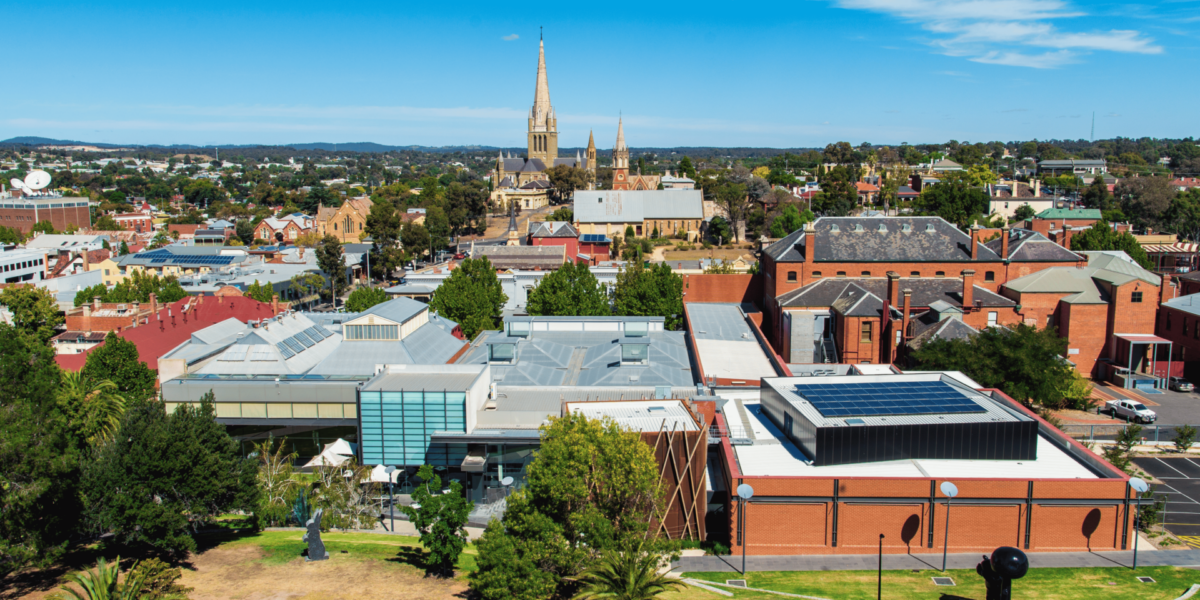
Bendigo offers a layered experience where art, history, and culture intersect in ways that invite deeper exploration. The city’s streets, galleries, and heritage sites reveal a story built over generations, encouraging visitors to engage with it at their own pace.

A City Framed by Gold Rush Heritage

Bendigo’s identity remains closely tied to the gold rush era that transformed it in the 19th century.

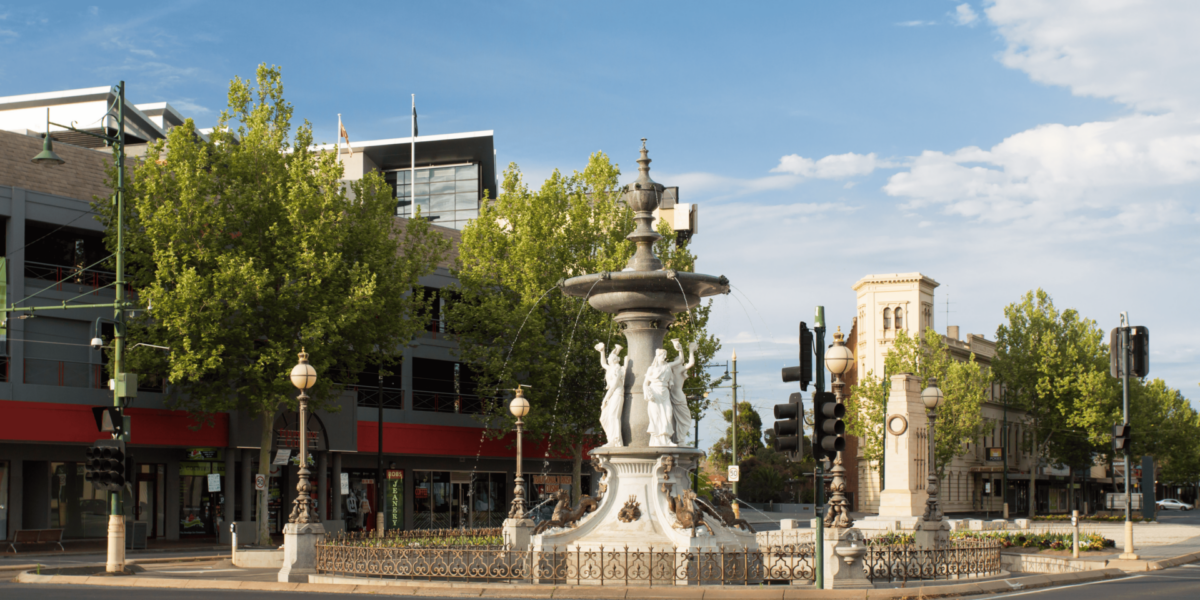
The legacy of that period stands in its architecture—grand public buildings, bluestone foundations, and intricate ironwork. Walking through the central streets places you among façades that speak to the city’s ambition during its peak mining years. These structures form a living backdrop for modern life, blending past and present in a way that keeps history active rather than frozen.

Public Art That Shapes the City’s Character

Art in Bendigo exists beyond gallery walls.

Murals, sculptures, and carefully placed installations line public spaces, adding layers of meaning to the urban landscape. Each piece reflects the city’s values, whether through celebrating its heritage, highlighting local talent, or creating conversation around contemporary issues. This integration of art into everyday spaces ensures that creativity remains visible and accessible.

The Cultural Pull of the Bendigo Art Gallery

The Bendigo Art Gallery stands as one of the city’s most recognized cultural anchors.

Its exhibitions span from international showcases to works by regional artists, creating a dynamic program that draws both local and global audiences. The gallery’s curatorial approach connects historical collections with modern interpretations, making each visit relevant regardless of the season. This balance keeps the gallery central to Bendigo’s cultural life.

Heritage Landmarks as Living Museums

Bendigo’s preserved landmarks extend the city’s narrative beyond traditional museum walls.

Historic buildings, many still in use, reveal their stories through preserved details—staircases worn smooth by decades of use, original brickwork, and decorative plaster that has survived changing styles. These spaces remain functional yet carry the texture of their history, offering an authentic connection to the city’s development.

A Realistic Day Immersed in Bendigo’s Culture

You leave your accommodation in the morning and follow the sound of street musicians toward a heritage-lined avenue.

The air is cool, the light soft against the ornate façades. You pass a public sculpture that draws your attention long enough to pause before continuing toward the gallery. Inside, a current exhibition links regional history with contemporary artistic responses, bridging timelines in a single space. By the afternoon, you find yourself in a historic precinct, where the scent of baking bread mixes with the echo of footsteps in narrow laneways. The day unfolds naturally, shaped by proximity and the city’s inviting scale.

Markets and Makers at the Cultural Core

Bendigo’s cultural life includes a strong maker community.

Markets, workshops, and pop-up events offer insight into the region’s craftsmanship, from ceramics to textiles. These gatherings bring together residents and visitors, reinforcing the role of creativity as a shared resource. Each purchase or interaction directly supports the artisans who keep traditional and modern techniques alive.

Green Spaces as Cultural Connectors

Parks and gardens in Bendigo often hold cultural significance alongside their natural beauty.

Rosalind Park, with its elevated views and historic conservatory, serves as a meeting place and event venue. Seasonal festivals transform these green spaces into performance areas, gallery extensions, or market grounds, showing how nature and culture can coexist in the city’s daily rhythm.

Theatre and Performance in the Evening Hours

As daylight fades, Bendigo’s cultural life shifts toward performance.

Local theatres and converted heritage halls host live music, drama, and dance. These venues range from grand stages to intimate spaces, each offering an atmosphere shaped by its history and audience. Evening performances add another dimension to the city’s cultural charm, creating experiences that carry into the night.

Cafes and Restaurants as Cultural Hubs

Bendigo’s dining scene often overlaps with its creative community.

Cafes display local artwork, while restaurants collaborate with nearby farms to craft menus rooted in regional identity. This blending of culinary and artistic expression turns meals into cultural encounters, reinforcing the sense of place with every interaction.

Heritage Trails That Tie the Story Together

Walking trails dedicated to Bendigo’s heritage link its art, architecture, and historical sites into a cohesive journey.

These routes are designed for accessibility, allowing visitors to explore without the need for extensive planning. Each turn reveals another layer—an old civic building, a hidden mural, a preserved streetscape—making the city’s narrative both visible and navigable.

Why Immersive Travel Strengthens Cultural Preservation

Choosing to engage deeply with Bendigo’s art and history has a tangible impact.

Visitor participation in cultural events, exhibitions, and heritage tours directly supports the organizations and individuals maintaining these spaces. This investment ensures that the city’s character is preserved while allowing for new interpretations and creative growth.

A City That Rewards Time and Attention

Bendigo’s cultural charm reveals itself most fully to those who slow their pace.

Each gallery visit, market stall conversation, and walk through heritage streets adds to an understanding of the city’s layered identity. The reward is not just in seeing what Bendigo offers but in feeling connected to its ongoing story.

Savoring Slow Mornings and Hidden Cafes in Bendigo

Bendigo’s charm unfolds at an unhurried pace, especially in the early hours. The city’s hidden cafes, often tucked into heritage buildings or along quiet streets, offer more than coffee—they create a rhythm that defines the local way of life.

The Quiet Appeal of Early Mornings in Bendigo

Mornings in Bendigo invite a slower start, allowing time to take in the details that often go unnoticed.

The first light filters through heritage streets, highlighting ornate facades and casting long shadows across the footpaths. This calm sets the tone for the day, encouraging both locals and visitors to pause before the city’s energy builds. The gentle start provides space for reflection, a quality that defines Bendigo’s morning culture.

Heritage Settings Enhance the Café Experience

Many of Bendigo’s hidden cafes occupy restored gold rush-era buildings, adding texture and depth to the morning routine.

Original timber beams, high ceilings, and decorative plasterwork create an atmosphere that feels rooted in history. These architectural details turn a simple breakfast into a sensory experience, connecting the present to the city’s past. The blend of preserved character and modern comfort makes each visit distinct.

A Realistic Morning in Bendigo’s Café Scene

You walk from your accommodation toward a quiet laneway where a small café is just opening.

The scent of freshly ground beans drifts into the street. Inside, the floor creaks underfoot, and sunlight cuts across tables worn smooth by years of use. A barista greets you with familiarity, taking your order without haste. The space feels alive yet unhurried, shaped by both the building’s history and the people who keep it thriving.

Locally Sourced Menus Reflect Bendigo’s Regional Ties

Hidden cafes in Bendigo often build their menus around produce from surrounding farms and markets.

Seasonal fruits, artisan breads, and small-batch dairy products appear regularly, reflecting the city’s connection to its agricultural roots. By choosing local suppliers, these cafes keep the region’s economy active while offering fresher, more flavorful dishes. The result is a menu that reflects both place and season.

Community Connections Shape the Atmosphere

Small, locally owned cafes create an environment where conversation feels natural and unforced.

Owners often greet regulars by name, and new faces are welcomed with the same warmth. These interactions build a sense of belonging, even for visitors passing through. The shared experience of a morning coffee becomes a quiet act of community building, rooted in genuine human connection.

Exploring Bendigo on Foot After Breakfast

The proximity of Bendigo’s hidden cafes to cultural and historic landmarks makes it easy to continue the day without rushing.

From a central table near the window, you can plan a short walk to galleries, parks, or markets. The city’s compact design encourages this kind of exploration, reducing the need for transport and allowing for spontaneous discoveries along the way.

Supporting Local Businesses Strengthens Bendigo’s Identity

Every visit to a hidden café contributes to the city’s economic and cultural health.

Revenue stays within the community, supporting jobs, local suppliers, and the upkeep of historic properties. This cycle reinforces Bendigo’s distinct identity, ensuring that independent businesses remain a central part of the city’s character.

The Role of Design in Creating Memorable Cafes

Attention to layout and atmosphere is central to the appeal of Bendigo’s smaller cafés.

Furniture choices, lighting, and table placement often work together to create an intimate yet functional space. Many owners intentionally retain original building features, integrating them into the design to preserve authenticity. This deliberate approach to design shapes the overall experience as much as the menu does.

Why Hidden Cafes Encourage Slower Travel

Hidden cafés encourage visitors to adopt a different pace—one that values presence over efficiency.

The absence of loud music, crowded tables, or rushed service allows space for lingering. Reading a book, writing in a journal, or simply watching the street become natural parts of the visit. This slower rhythm deepens the connection to the city, creating memories that last beyond the trip.

Morning Rituals That Stay With You

The combination of heritage settings, local flavors, and unhurried service makes Bendigo’s hidden cafes more than places to eat.

They become part of a personal ritual—moments where time feels less constrained. For many, these mornings form the strongest impressions of their stay, shaping how they remember the city long after they leave.

Bendigo’s Hidden Cafes as Cultural Landmarks

Over time, many hidden cafes have become informal cultural landmarks within the city.

Locals recommend them to friends, visitors seek them out for authenticity, and returning guests make them a regular stop. In this way, cafés become woven into Bendigo’s story, representing both its living culture and its preserved history.

The Lasting Value of Slow Mornings

Choosing to begin the day in a hidden café offers more than immediate comfort.

It encourages a deeper appreciation for the city’s architecture, flavors, and people. This choice aligns with sustainable tourism values, where time spent locally supports both economic vitality and cultural preservation.

A City Best Experienced One Morning at a Time

Bendigo rewards those who approach it with patience.

By savoring slow mornings and discovering hidden cafes, you step into the city’s rhythm rather than imposing your own. Each visit becomes part of a larger story—one shaped by the streets, the people, and the quiet spaces that hold Bendigo’s character.

How Staying Local Keeps Bendigo’s Heritage Alive

Bendigo’s historic architecture and cultural landmarks remain vibrant because locals and visitors choose to engage with them directly. By staying in heritage accommodations, dining at locally owned venues, and supporting community events, you contribute to preserving the city’s unique character.

Heritage Tourism as a Driver of Preservation

Staying in heritage properties channels money directly into the upkeep of Bendigo’s historic buildings.

Maintaining structures from the 19th century requires specialized trades and careful restoration work. Original stonework, timber beams, and decorative features need consistent attention to prevent deterioration. Revenue from guest stays funds these repairs, ensuring buildings remain structurally sound and visually true to their origins.

The Economic Ripple Effect of Staying Local

Choosing local accommodations extends benefits beyond the building itself.

Your booking supports employees, tradespeople, and suppliers connected to the property. Linens may come from regional textile businesses, while breakfast ingredients are often sourced from nearby farms and markets. This network of local spending strengthens Bendigo’s economy and keeps heritage-related industries active.

A Realistic Day Supporting Bendigo’s Living History

Waking in a restored gold rush-era hotel, you open tall sash windows to the sound of street activity.

You step onto the sidewalk and walk to a café in another heritage building, where the menu features produce from the surrounding countryside. Later, you explore a nearby gallery housed in a former post office, its restored façade reflecting sunlight. As the day unfolds, your choices—where you stay, eat, and visit—feed directly into Bendigo’s preservation efforts.

Local Ownership Protects Cultural Identity

Many heritage properties in Bendigo are owned or managed by residents who have personal connections to the buildings.

Local operators often understand the historical significance of their properties and are committed to maintaining their authenticity. Decisions about renovations, décor, and use are made with respect for the building’s story, ensuring it continues to reflect Bendigo’s heritage rather than conforming to generic hospitality trends.

Walkable Access Strengthens the Connection Between Past and Present

Heritage accommodations are often located within Bendigo’s central district, placing you in walking distance of key landmarks.

This proximity encourages visitors to explore on foot, noticing details in façades, ironwork, and window designs that might otherwise be missed. The streets themselves form part of the heritage experience, linking your stay to the city’s original layout and architectural legacy.

Community Events Bring Heritage Spaces to Life

By staying local, you’re more likely to discover events that activate Bendigo’s historic venues.

Markets, art exhibitions, and music performances often take place in restored halls or courtyards. Attending these gatherings provides income for organizers and reinforces the use of heritage spaces as community hubs. When these venues remain active, they avoid the risk of neglect or redevelopment.

Adaptive Reuse Ensures Long-Term Viability

Heritage preservation thrives when buildings have practical, modern functions.

Many of Bendigo’s historic structures now serve as hotels, restaurants, or cultural centers. This adaptive reuse allows for continuous maintenance and ensures the property remains relevant. When you choose to stay in or visit these spaces, you help validate their role in contemporary life.

Sustainable Travel Through Local Engagement

Local stays often reduce the need for car travel, lowering environmental impact while enhancing the cultural experience.

Walkable access to shops, parks, and attractions means less reliance on transport, aligning with sustainable tourism principles. Supporting local services also minimizes the environmental cost of importing goods and services from outside the region.

Preservation Through Personal Experience

Engaging with heritage firsthand deepens appreciation for its value.

When you stay in a restored property, you notice the texture of original timber, the proportions of historic rooms, and the craftsmanship in decorative finishes. These tactile details create a stronger connection to the past, motivating continued support for preservation.

The Role of Repeat Visits in Sustaining Heritage

Locals and returning visitors play a key role in keeping Bendigo’s heritage economy steady.

Consistent patronage ensures that heritage accommodations and venues remain financially viable year-round, not just during peak tourist seasons. This stability allows owners to plan and invest in long-term maintenance projects without depending solely on occasional large influxes of visitors.

Why Staying Local Shapes Bendigo’s Future

Every choice to stay in a heritage property or spend money with a local business influences the city’s ability to maintain its historical assets.

These decisions preserve more than buildings—they protect the cultural fabric that defines Bendigo. Without active engagement from visitors and locals alike, preservation efforts risk losing momentum.

A Continuing Story Written by Visitors and Locals

Bendigo’s heritage survives because people interact with it daily.

From booking a room in a restored inn to attending a concert in a historic hall, each action contributes to the city’s evolving story. Staying local ensures that the past remains woven into the present, keeping Bendigo’s identity intact for future generations.