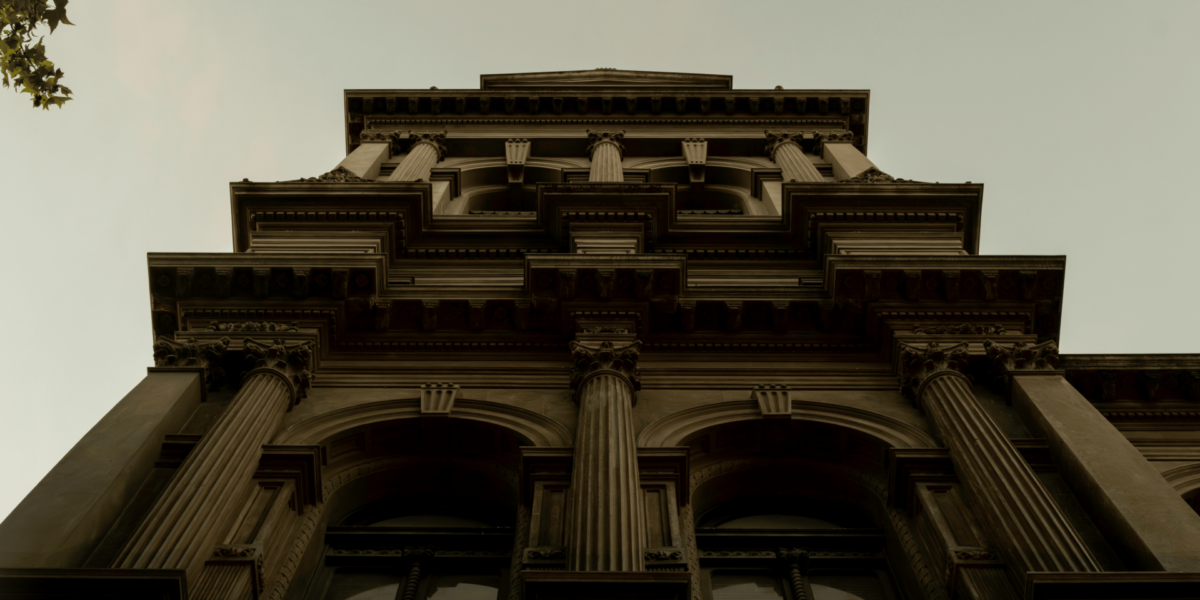
Bendigo’s architecture offers more than visual beauty—it serves as a living record of the city’s rise during the gold rush and its evolution into a cultural hub. Walking among its buildings is a way to connect with the layers of history that shape Bendigo’s identity today.
The Gold Rush Foundations of Bendigo’s Built Heritage
Bendigo’s most striking architectural treasures trace their origins to the gold rush of the mid-1800s. During this period, wealth from mining funded the construction of grand public buildings, stately homes, and ornate commercial spaces.
Stone, iron, and timber were shaped into structures that reflected the city’s ambitions. Wide verandas, bluestone walls, and intricate iron lacework became hallmarks of Bendigo’s streetscapes. Many of these buildings remain intact, offering a direct link to the craftsmanship and vision of the era.
Preservation That Balances History and Modern Function
Protecting historic architecture in Bendigo requires more than simply maintaining façades—it involves integrating modern systems without compromising heritage value.
Restored interiors now conceal updated heating, lighting, and structural reinforcements. Heritage-listed exteriors still display their original features, while interiors provide comfort and functionality for contemporary use. This balance ensures buildings remain active parts of the city rather than static monuments.
Walking the Streets as a Living Museum
Bendigo’s city center operates as an open-air gallery of architectural history.
A short walk can take you past grand civic buildings, rows of preserved shopfronts, and churches with towering spires. The proximity of these landmarks creates an immersive experience where each corner reveals another chapter of the city’s past. These streets invite exploration at a pace that allows details to stand out—hand-carved stonework, stained glass windows, and original timber frames.
Historic Landmarks That Anchor the City’s Identity
Certain structures have become symbols of Bendigo’s heritage, drawing both locals and visitors into the city’s story.
Civic buildings from the gold rush era project authority through their scale and design. Former banks, post offices, and theaters carry the architectural language of prosperity and cultural ambition. These landmarks, restored and adapted for modern use, remain central to community life and public memory.
Architecture as a Connection to Community Life
Many of Bendigo’s historic buildings continue to serve as gathering places.
Markets, festivals, and exhibitions often take place in or around heritage venues. This ongoing use keeps the architecture relevant while preserving its original role as a focal point for the community. The interaction between building and public activity strengthens the connection between past and present.
A Realistic Day Surrounded by Architectural History
Arriving in Bendigo on a clear morning, you might check into a heritage hotel with high ceilings and polished timber floors.
Stepping outside, the street unfolds with gold rush shopfronts still in use, their signage painted in traditional styles. You walk toward the town hall, its stone façade casting long shadows across the square. By midday, you’re seated in a café inside a restored warehouse, sunlight filtering through tall arched windows as you watch people pass by. The day flows seamlessly between history and modern life, each moment grounded in the city’s built environment.
The Role of Local Expertise in Preservation
Bendigo’s preservation efforts rely on skilled tradespeople and informed planning.
Masons, carpenters, and conservation specialists apply traditional techniques alongside modern engineering solutions. Local councils and heritage organizations work to maintain building integrity while allowing for adaptive reuse. This collaboration ensures that historic architecture remains both structurally sound and true to its origins.
Experiencing Architecture Beyond the City Center
While Bendigo’s heart holds many iconic buildings, its surrounding neighborhoods also reveal important architectural stories.
Residential streets feature Victorian and Edwardian homes with ornate detailing. Former industrial sites have been converted into community spaces without erasing their original character. Exploring beyond the central grid offers a fuller understanding of the city’s growth and the diversity of its built heritage.
Why Bendigo’s Architecture Deepens the Travel Experience
Travel in Bendigo is enriched by engaging with its architecture as more than a backdrop.
Each building tells a story of migration, industry, and civic pride. Observing how structures have been preserved, adapted, or repurposed offers insight into the city’s values and priorities. This perspective transforms a visit from sightseeing into participation in an ongoing narrative.
Sustaining Architectural Heritage Through Active Use
The future of Bendigo’s architectural treasures depends on their continued relevance.
By housing businesses, cultural institutions, and residences, these buildings remain active in the daily life of the city. Active use encourages investment in maintenance and ensures that heritage is experienced, not just observed. Visitors who choose to spend time—and money—in these spaces directly support their preservation.
Architecture as a Gateway to Understanding Bendigo
Bendigo’s architectural treasures do more than illustrate history—they invite connection.
Through their presence, they reveal the city’s transformation from a gold rush settlement to a thriving regional center. Walking among them creates a sense of continuity, linking the past to the present and offering a tangible way to engage with Bendigo’s story.