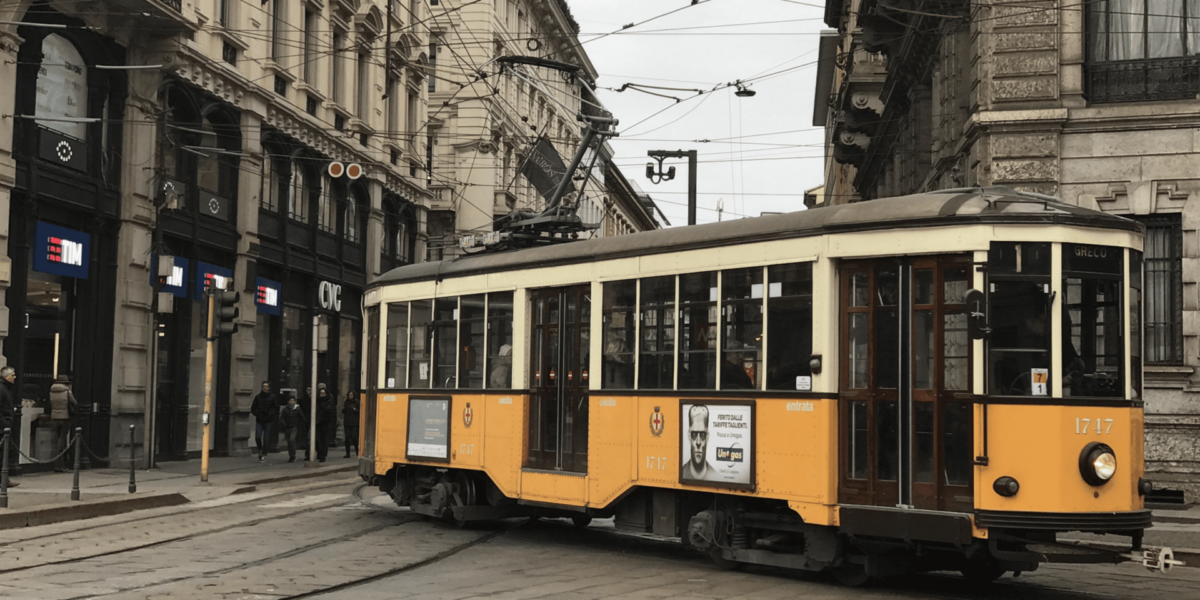
Bendigo Tramways Preserves More Than Transit History
In Bendigo, heritage trams do more than carry passengers—they carry stories. The Bendigo Tramways experience connects visitors to the city’s past through movement, sound, and setting. Each tram is a piece of living history, restored and operated by people who understand the value of preservation.
As the tram glides down the historic streets, the rhythm of the tracks and the familiar chime of the bell become part of the journey. Passengers are not just watching history—they’re riding through it.
Historic Routes Frame the City’s Changing Identity
The Bendigo Tramways line follows routes once used for daily transport. These tracks once connected homes, workplaces, and shops across the growing gold rush city. Today, they offer a new kind of connection: one between modern-day visitors and the city’s industrial and social roots.
The line moves past heritage buildings, civic landmarks, and quiet tree-lined stretches. Riders see the city unfold through wide tram windows, observing how the old blends with the new. Each stop offers a different story, linking neighborhoods to historical shifts in industry, migration, and design.
Restoration Projects Fuel Local Craft and Skill
The trams in operation are not replicas—they are restored originals. Mechanics, painters, and carpenters work together to bring each tram back to life, using traditional methods that reflect the era in which the tram was first built. These projects require hands-on work with timber, brass, and steel, often sourced or shaped locally.
This commitment to authentic restoration supports the local economy while passing knowledge to a new generation of tradespeople. Young apprentices learn craft techniques that are rare in other industries, ensuring the skills survive alongside the trams themselves.
Volunteers Add Voice to the Journey
Bendigo Tramways relies heavily on volunteers, many of whom are long-time residents with deep ties to the community. Conductors, drivers, and tour guides share local history not as a script, but as lived experience. Their voices bring personality to the ride, offering perspectives shaped by decades of change.
This personal approach makes each journey unique. A story about a specific intersection or building may lead to a memory of childhood or family business. These shared recollections strengthen the sense of place for visitors and locals alike.
Trams Create a Moving Museum Without Walls
Unlike a traditional museum, the Bendigo Tramways experience is mobile. The exhibits are not confined to a single room—they unfold with each turn of the track. Riders can see gold rush-era buildings, modern public art, and residential streets from a single seat.
This movement adds dimension to historical understanding. Instead of reading about the city’s growth, visitors observe it happening around them. A trip from the depot to the terminus covers more than distance—it bridges time.
Realistic Scenarios Strengthen Visitor Memory
Imagine a couple traveling to Bendigo for the weekend. On their second day, they board a tram from the Central Deborah Gold Mine. As they sit near the front, the conductor shares a story about how the trams once transported workers to nearby sites.
As the tram turns onto Pall Mall, they see government buildings lined with iron balconies and floral columns. The commentary shifts to the city’s civic development, highlighting how design reflected the city’s ambitions. By the time the ride ends, the couple hasn’t just seen the city—they’ve experienced a narrative that ties history to space and movement.
Audio and Visual Cues Deepen Sensory Experience
Tram rides engage more than sight. The wooden floors creak underfoot, the windows rattle softly with every bend, and the whistle signals each stop. These sounds ground passengers in a setting that feels authentic and immersive.
Inside the tram, design details—worn brass rails, curved bench seating, hand-painted signage—add visual richness. These cues work together to form a complete sensory story. Riders absorb more than facts; they form impressions that stick.
Educational Programs Link Students to Local Heritage
Bendigo Tramways also provides learning opportunities for school groups and families. Programs often include guided tours of the depot, discussions about urban development, and interactive activities that introduce students to engineering, design, and local history.
By pairing motion with education, these experiences give students a better grasp of what history means in everyday life. They walk away understanding how transportation influenced the growth of cities and how community decisions preserve important traditions.
Seasonal Events Encourage Repeat Visits
Throughout the year, Bendigo Tramways hosts themed rides and special events. Holiday trams, historical reenactments, and twilight journeys attract different age groups and visitor types. These events expand the narrative of the tramways, showing how the past can shape the present.
A themed night ride, for instance, might include period costumes, vintage lighting, and music from the early 1900s. These events help the tramways remain relevant and exciting for locals who have already ridden the route before.
Tramways Connect Heritage and Sustainability
Bendigo’s trams promote more than nostalgia—they model sustainable tourism. By restoring and operating electric vehicles powered by clean energy, the city reduces environmental impact while encouraging public engagement with heritage.
This strategy aligns with modern values. Visitors enjoy an eco-friendly experience while learning about the systems that moved past generations. It’s a balance of memory and responsibility, combining history with forward-thinking practices.