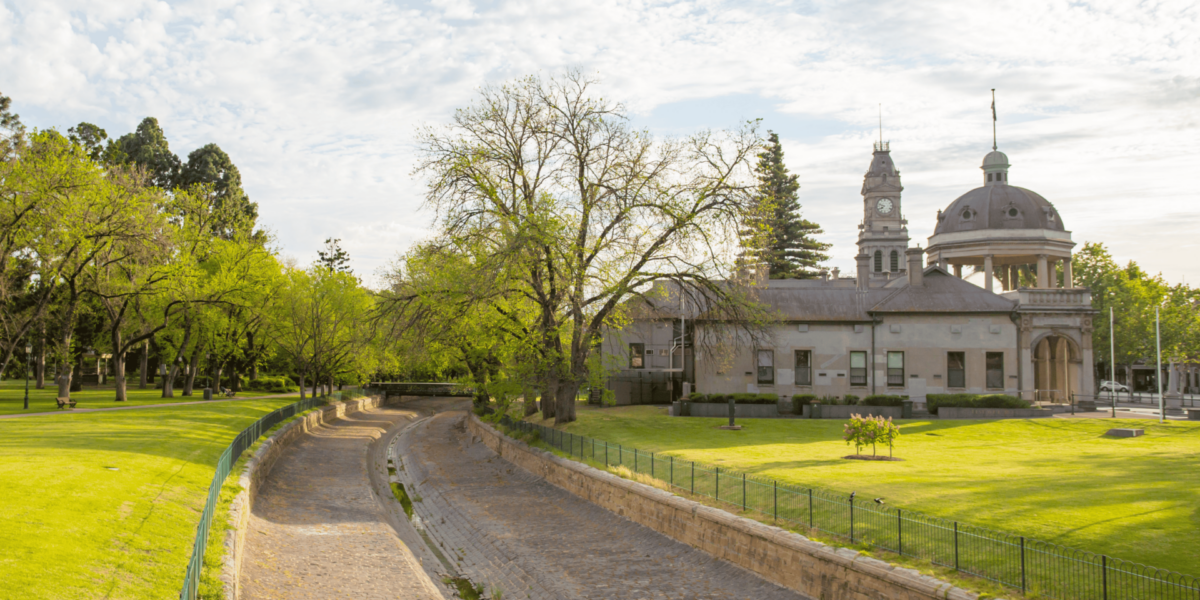
Bendigo’s Historic Foundations Amplify Creative Expression
Bendigo’s architecture carries more than historical value—it actively shapes how art is created, displayed, and experienced in the city. Grand facades, ornate interiors, and solid stone walls offer more than shelter; they enhance acoustics, influence staging, and draw emotional weight into cultural spaces.
Walking through the Bendigo city center, you immediately sense how deeply art and architecture are linked. Venues housed in 19th-century banks, halls, and civic buildings give performances and exhibitions a setting rich with texture and resonance. These environments don’t just contain art—they interact with it.
Stone Walls Define Acoustics in Performance Venues
Sound travels differently through a building made of stone. The thick walls reflect and absorb tones in ways that modern materials often cannot. Performers in Bendigo’s heritage venues find their voices and instruments shaped by the space around them, allowing each note to carry depth and clarity.
This relationship between space and sound influences how musicians and actors use their environment. A string quartet rehearsing in The Capital Theatre or a spoken-word artist on the steps of the Town Hall benefits from the acoustics of stonework designed for gatherings, not just utility. Performances adapt to the building, creating a conversation between art and architecture.
Visual Art Gains Weight in Architectural Spaces
Gallery exhibitions in Bendigo often take place in rooms with high ceilings, arched windows, and decorative plasterwork. These features add visual context to the artwork. A painting displayed in a Victorian-era room feels different than one hung on a modern white wall. The surrounding architecture adds tone, history, and presence.
Bendigo Art Gallery, for instance, uses its heritage structure to full effect. Visitors not only see the art—they experience how light filters through old glass, how shadows fall across cornices, and how space encourages stillness. This layering of art and setting enhances meaning without explanation.
Artists Respond to the Built Environment
Local artists often draw direct inspiration from Bendigo’s built landscape. The city’s blend of gold rush elegance and industrial simplicity becomes subject matter, texture, or reference. Painters capture rooftop silhouettes; sculptors echo arches and columns; installation artists use abandoned courtyards to shape immersive works.
This responsiveness creates a loop between maker and place. Artists reflect the city’s features, and their works encourage others to see the architecture in new ways. It’s not uncommon for a creative project to begin with a walk through View Street or a sketch of a civic dome.
Public Art Connects Buildings and Streets
In recent years, public art has begun to bridge the gap between interior culture and exterior experience. Sculptures stand in open squares, murals climb brick walls, and projections light up facades at night. These installations don’t just decorate—they highlight architectural features that may have gone unnoticed.
By placing art directly on or around buildings, Bendigo invites passersby to interact with both. A sculpture at a tram stop draws attention to the vintage shelter behind it. A projection on a courthouse steps into the building’s history. The result is a walking experience filled with culture and awareness.
Adaptive Reuse Strengthens the Arts Ecosystem
Bendigo has made a conscious effort to repurpose old buildings rather than demolish them. Former factories, banks, and warehouses now serve as studios, rehearsal spaces, and independent galleries. These conversions preserve character while creating functional space for the creative community.
For artists, working in a historic building adds layers to the process. A dance troupe practicing in a converted granary experiences the relationship between body, space, and surface. A photographer setting up a shoot in an old council chamber finds inspiration in the setting itself. This dynamic interaction supports artistic growth.
Event Atmosphere Changes with Architectural Mood
Audience experience shifts based on the architecture of the venue. A performance held in an echoing hall lined with sandstone columns feels formal and dramatic. The same performance in a repurposed tram depot might feel more intimate and grounded.
Bendigo’s arts scene leverages these moods to create specific audience experiences. Event planners choose venues not just for size but for tone. A jazz night might land in a warmly lit church basement, while a contemporary exhibit might unfold in a stark former warehouse. Architecture shapes not only form but feeling.
Community Memory Lives in Creative Buildings
Many of Bendigo’s most important creative spaces are also sites of collective memory. Residents remember attending civic events, weddings, and parades in the same places now used for concerts, markets, and workshops. This continuity deepens the connection between culture and identity.
When someone visits a gallery or attends a show in a space they’ve known since childhood, the experience carries additional weight. They’re not just engaging with the art; they’re placing it within a timeline of personal and public history. This emotional resonance strengthens community support for the arts.
Stone and Story Shape Tourism Appeal
Bendigo’s architectural charm helps attract cultural tourists. Visitors are drawn to events not just for their content, but for the chance to explore buildings they’ve read about or seen in photos. Attending a festival inside a historic venue offers a dual experience: entertainment and heritage.
This appeal supports the local economy. Cafés near galleries stay open longer, hotels promote cultural packages, and event organizers plan around the unique assets of their chosen buildings. Architecture becomes a quiet driver of revenue, helping sustain both tourism and the creative sector.
A City That Listens to Its Walls
Bendigo doesn’t separate its buildings from its art—it lets them influence one another. The city’s approach to creative development recognizes that walls, ceilings, and floors aren’t passive backdrops. They shape how art is made, heard, and remembered.
As Bendigo continues to grow, its commitment to architectural preservation and adaptive reuse ensures that its creative voice remains grounded in place. The sound of stone, the weight of timber, the echo of old halls—these are not just remnants of the past. They are active tools in the storytelling of today.