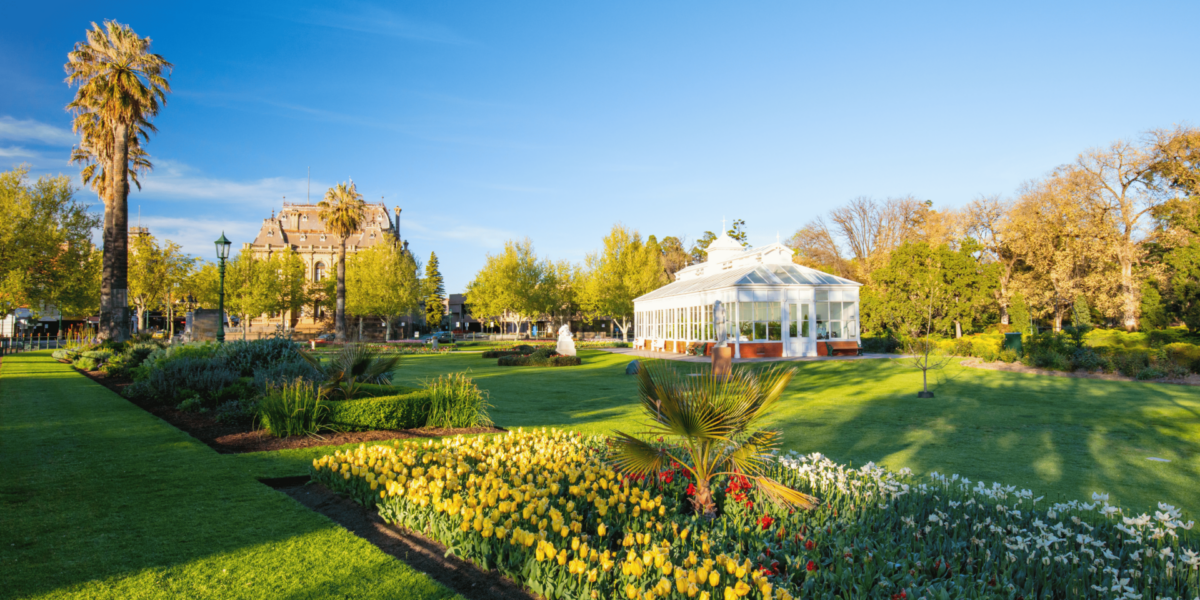
Bendigo’s Heritage Is Rooted in Gold and Grit
Bendigo’s story begins with the gold rush that reshaped Victoria in the 1850s. The city grew quickly, fueled by miners, traders, and settlers seeking fortune. Grand architecture and cultural institutions soon followed, leaving a visible mark on the landscape.
Today, Bendigo’s wide streets, stately buildings, and preserved facades offer more than aesthetic value—they tell the story of rapid development, community ambition, and hard-earned prosperity. Visitors walking through the city center can sense that this place was once a hub of global attention.
Regional Flavors Reflect Deep Agricultural Ties
Beyond its gold rush legacy, Bendigo holds a strong connection to the land. Surrounding the city, fertile plains and gentle slopes support vineyards, orchards, and farms. These landscapes provide the region’s chefs, winemakers, and producers with high-quality ingredients grown close to home.
A visitor stepping into a local restaurant may find seasonal produce from nearby farms or a glass of wine sourced from a vineyard less than an hour away. This direct link between land and table strengthens the region’s culinary identity, setting it apart from more industrialized food scenes.
Vineyards Shape Bendigo’s Modern Identity
Wine production plays a key role in Bendigo’s taste and tourism economy. The region’s warm climate and mineral-rich soil support grape varieties like shiraz, cabernet sauvignon, and chardonnay. Small wineries, often family-run, line the hills surrounding the city and welcome guests for tastings and tours.
These vineyard visits offer more than a chance to sample wine. They provide insight into generational farming, sustainable practices, and the changing nature of rural business. Winemakers share stories of drought, harvest, and innovation—connecting visitors with the challenges and rewards of working the land.
Food Markets Offer a Taste of Local Life
Bendigo’s farmers’ markets and artisanal food fairs showcase the region’s commitment to local sourcing. These events allow small producers to connect directly with customers, offering goods that reflect the flavors of central Victoria.
A weekly visit to the market may include fresh bread baked in a stone oven, aged cheese from a nearby creamery, or herbs gathered just hours before. These small purchases represent a broader shift toward sustainable and community-supported food systems—values that align with Bendigo’s growing identity as a regional food destination.
Vaulted Spaces Reveal Cultural Riches
While the city’s flavor is rooted in its soil, Bendigo’s artistic and historical treasures lie behind heavy doors and beneath stone arches. Museums, banks, and historic buildings hold vaults that once stored gold, documents, and artifacts. Today, many of these spaces have been repurposed to house collections and exhibits.
Stepping into one of these buildings offers a shift in perspective. Visitors move from open, modern streets into dim corridors lit by low bulbs and lined with display cases. In these spaces, the city’s past feels tangible. Maps, mining tools, textiles, and journals reveal how daily life once unfolded here—and how much of that life continues in altered form.
Culinary Experiences Bridge Past and Present
Restaurants and cafes across Bendigo often operate inside restored heritage buildings. Exposed beams, brick walls, and original tile floors give each space a unique character, linking modern cuisine to historic foundations. This pairing of old and new enhances the dining experience, grounding each meal in a sense of place.
A guest seated near a vaulted ceiling might enjoy a dish prepared with heirloom tomatoes grown nearby. This type of setting reinforces Bendigo’s commitment to authenticity, where both architecture and ingredients reflect regional roots.
Wine and History Tours Deepen Visitor Engagement
Several local experiences now combine food, wine, and history into immersive journeys. These guided tours might begin with a walk through a historic site, followed by tastings at local vineyards or meals prepared by regional chefs.
Rather than focusing only on facts or flavor, these tours highlight the connections between culture and cuisine. Guests learn how climate, trade, and migration influenced both Bendigo’s economic history and its food scene. Each stop adds context, turning a day of tasting into a deeper exploration of the region’s heritage.
Artisans Preserve Heritage Through Craft
In addition to food and wine, Bendigo supports a strong community of craftspeople. Potters, glassmakers, weavers, and metalworkers produce goods inspired by both tradition and innovation. Many use techniques passed down through generations, while others blend historic forms with modern design.
These makers often work from studios in heritage buildings, further connecting their craft to the city’s history. A visit to a ceramic shop might include a short history of the building’s original use and insight into how local clay shapes the artist’s process. These details give weight to every object and every story behind it.
Sustainability Strengthens the Region’s Future
As Bendigo grows, sustainability guides how food, wine, and culture evolve. Wineries adopt organic practices, restaurants reduce waste, and historic buildings are restored with environmental impact in mind. This approach not only protects the land—it ensures that future generations will continue to enjoy what the region offers.
In practical terms, this means more solar-powered tasting rooms, eco-friendly packaging, and community partnerships focused on resilience. These efforts reflect a clear choice: Bendigo’s revival depends on thoughtful stewardship, not short-term gains.
Heritage Tourism Supports Local Communities
Bendigo’s journey from goldfields to gourmet destination has brought new life to its economy. Tourists visit not only for museums and wine tastings but also for connection—connection to land, to story, and to people keeping tradition alive.
This interest supports farmers, artists, chefs, and educators who make the city vibrant. Each dollar spent on local wine or handmade goods returns to the region. Heritage tourism strengthens small towns when visitors understand the value of what they see, taste, and learn.