Creative Growth Revives Bendigo’s Identity
Bendigo, once known mainly for its gold rush legacy, has transformed into a modern center for creativity. This shift didn’t happen overnight. Artists, businesses, and local leaders worked together to reshape the city’s image, building a culture rooted in innovation and artistic expression.
As traditional industries slowed, Bendigo turned to its cultural strengths. Art galleries, public installations, and community spaces began to take over old warehouses and historic buildings. Through these changes, the city found a new identity—one driven by creativity and public engagement.
Historic Spaces Became Platforms for Art
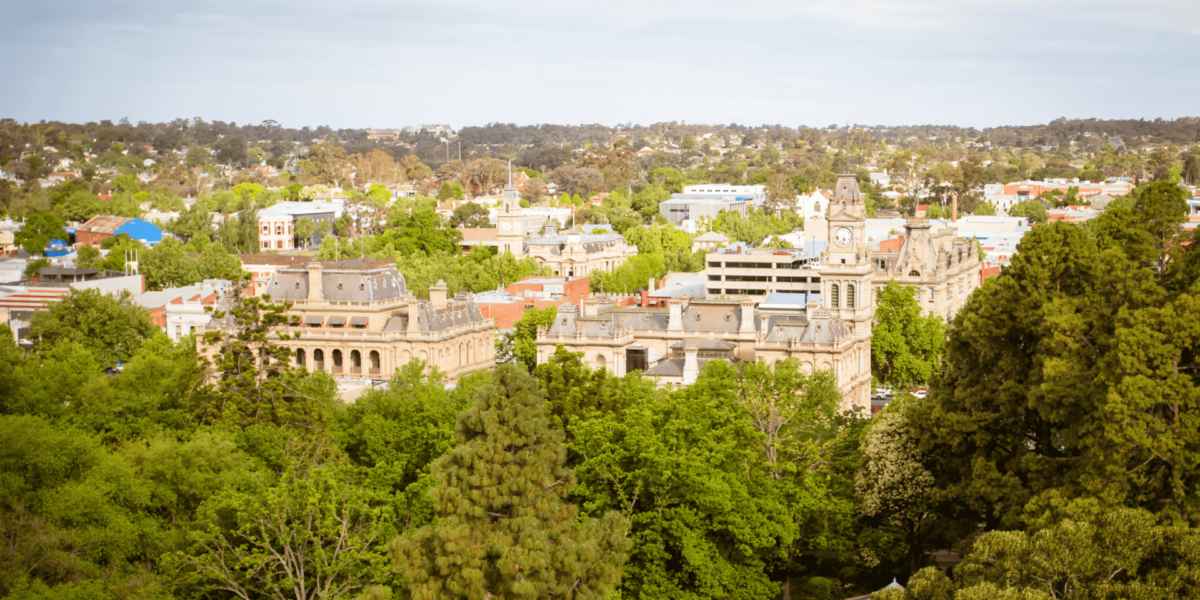
Bendigo’s revival began with its buildings. Instead of tearing down old structures, the city embraced restoration and reuse. Former banks, train depots, and factories were converted into studios, theaters, and exhibition halls. This blend of past and present set the tone for creative redevelopment.
These spaces now host everything from contemporary art exhibits to local craft workshops. Their original features—brick walls, timber frames, iron windows—add authenticity and texture to modern installations. Art in Bendigo doesn’t just hang in galleries; it lives in the architecture.
Local Artists Led the Cultural Shift
Bendigo’s creative revival would not exist without local artists. Painters, performers, designers, and musicians began to shape how the city looked and felt. Their influence reached far beyond traditional venues, spilling into streets, markets, and community events.
A local sculptor might display work in a public square, or a writer might host readings in a renovated bookstore. These actions helped residents reconnect with their city while giving artists a voice in shaping its future. The creative community became a driving force behind civic pride and public renewal.
Public Art Turned Streets Into Storyboards
Murals, installations, and street sculptures now line many of Bendigo’s laneways and sidewalks. These public art pieces do more than decorate—they share stories. They reflect local history, explore cultural identity, and invite people to slow down and look closely at their surroundings.
Tourists and residents alike engage with these artworks as part of their daily routines. Whether passing a mural on the way to school or pausing at a sculpture during a walk, people connect with their city in new ways. Public art changed how people move through Bendigo, both physically and emotionally.
Festivals and Events Fueled Visibility
Annual festivals and seasonal events helped raise the profile of Bendigo’s creative scene. Markets featuring handmade goods, music festivals in public parks, and performance art nights all offered platforms for local talent to reach broader audiences.
These events drew attention from across Victoria and beyond, attracting visitors and generating revenue. At the same time, they created shared experiences for residents. A pop-up gallery might bring neighbors together, or a street performance could spark conversation among strangers. Events became both economic engines and tools for social connection.
Government Support Strengthened Creative Infrastructure
Local government played a key role in supporting the arts. Grants, zoning changes, and investment in cultural facilities allowed creative projects to grow. Officials saw the arts as a long-term economic strategy, not just a tourism trend.
Programs supporting young artists and creative entrepreneurs helped keep talent in the region. Rather than relocating to bigger cities, many creators chose to stay and build their careers in Bendigo. Public funding provided stability and encouraged risk-taking, both necessary for a thriving cultural sector.
Schools and Colleges Built Creative Futures
Bendigo’s educational institutions joined the revival by promoting arts education and vocational training in creative fields. Local colleges introduced design, film, and visual arts courses, while primary and secondary schools invested in music and performance programs.
Students gained access to professional mentors, real-world projects, and public showcases. A teenager painting a mural or a student editing a community documentary now sees creative work as a legitimate career path. This shift ensures that future generations will continue to see Bendigo as a place where creativity matters.
Creative Business Revitalized the Economy
As Bendigo’s reputation for creativity grew, businesses began to follow. Independent bookstores, artisan bakeries, craft breweries, and design studios opened across the city. These businesses brought fresh energy to underused spaces and created jobs tied to culture rather than extraction or retail.
This shift created a more resilient local economy. Visitors spend money not only on art but also in cafés, markets, and workshops. Artists collaborate with shop owners on displays, branding, or community events. The creative sector weaves itself into daily economic life, not just special occasions.
Digital Platforms Expanded Reach
Local creatives used digital tools to expand their reach beyond Bendigo. Online portfolios, virtual tours, and social media campaigns allowed artists to connect with global audiences while remaining based in regional Victoria.
A ceramic artist might sell work worldwide from a studio in a converted barn, while a musician might stream a concert recorded in a laneway venue. This digital presence strengthens Bendigo’s creative economy and helps the city attract remote workers, digital nomads, and creative entrepreneurs.
Community Participation Keeps Culture Alive
Bendigo’s creative revival depends on public participation. Residents volunteer at art events, support local creators, and contribute ideas for new projects. The city’s revival isn’t top-down—it’s built through everyday actions.
A teacher leading a student choir, a retiree sketching local landmarks, or a neighbor suggesting a mural concept—all of these contributions matter. Community involvement turns the arts into a shared responsibility and ensures that Bendigo’s revival remains rooted in local life.