Tracing History Through Bendigo’s Hidden Laneways

Bendigo’s Laneways Offer Clues to the City’s Gold Rush Past

Bendigo’s hidden laneways provide a living map of its gold rush roots. While the city’s main streets display grandeur and restored facades, the narrow lanes behind them reveal the working-class energy that once fueled Victoria’s mining boom.

As you walk through these backstreets, the uneven stonework and aged bricks speak of a time when miners, merchants, and families moved between buildings carrying out their daily lives. These passageways, many unchanged in layout, offer a close-up look at how the city once operated behind the scenes.

Forgotten Paths Connect Commerce and Community

Many of Bendigo’s laneways were designed not for style, but for function. They connected businesses, storage areas, and workers’ quarters. Deliveries arrived through back doors, goods moved in silence, and shopkeepers crossed lanes to meet suppliers or neighbors.

In today’s landscape, some of these alleys have become shortcuts between cafés and shops, while others remain quiet spaces tucked behind rows of heritage buildings. These paths still serve their original purpose—keeping the city flowing—but now they also invite exploration and reflection.

Historic Murals and Markers Tell Local Stories

Throughout Bendigo’s laneways, modern additions like murals and plaques share the stories of those who once lived and worked there. Painted portraits of miners, handwritten quotes from early residents, and symbols from Chinese and European communities highlight the diverse people who shaped the city.

These visual cues aren’t just decorative—they help locals and visitors understand how much labor, migration, and community went into building Bendigo. Each mural or sign turns an ordinary wall into a storytelling platform, blending the past with the present.

Laneways Reflect Bendigo’s Cultural Exchange

During the gold rush, Bendigo attracted people from around the world. Chinese miners, British settlers, and immigrants from across Europe arrived seeking fortune. The laneways became shared spaces where different cultures crossed paths and sometimes collided.

Today, remnants of that mix remain in the names, architecture, and businesses that line these lanes. A restored brick oven may sit near a temple foundation, or a heritage sign might describe how different groups interacted over shared wells and workspaces. These details bring the city’s multicultural history into focus.

Small Businesses Are Reviving the Hidden Corners

In recent years, Bendigo’s laneways have attracted small business owners who see potential in these narrow, overlooked spaces. Artisan cafés, vintage shops, book nooks, and creative studios now occupy places once used for storage or deliveries.

By adapting historic structures without erasing their character, these businesses help preserve the laneways’ original purpose while adding modern value. A visitor might walk through a lane and discover a coffee shop with exposed stone walls or a design studio in a former carriage house. These spaces bridge past and present in a way that feels natural, not forced.

Guided Walks Highlight Architectural Details

Laneway tours have become a key part of Bendigo’s cultural tourism. Guides take visitors through corridors that often go unnoticed, pointing out subtle architectural features and forgotten signage that reveal stories from the 19th century.

On a walk through one of these routes, you might learn how the curve of a wall indicated a coach turning point or how a certain window style suggested a storage loft. These details bring depth to the buildings and connect today’s streets to the people who once lived in their shadows.

Adaptive Reuse Preserves Historical Character

Bendigo’s laneways have benefited from adaptive reuse projects that restore old structures without removing their identity. Builders and designers work carefully to preserve original stonework, timber beams, and iron signage while updating interiors for new purposes.

This respect for history ensures that the laneways don’t become sterile tourist features. Instead, they remain part of a living, evolving city. Locals appreciate how these preserved features maintain the character of their neighborhoods, while visitors gain a deeper sense of place.

Laneways Strengthen Community Connections

Beyond tourism, the laneways serve a social purpose. During weekend markets, art events, and seasonal festivals, these passageways become gathering spaces. Residents set up stalls, perform music, and share food in the same spots where laborers once hauled supplies.

These events show how public space can bring a city together. In Bendigo, even the narrowest paths can become platforms for connection. This use of space reflects the city’s ongoing commitment to honoring history while supporting local culture.

Nightfall Brings a New Perspective

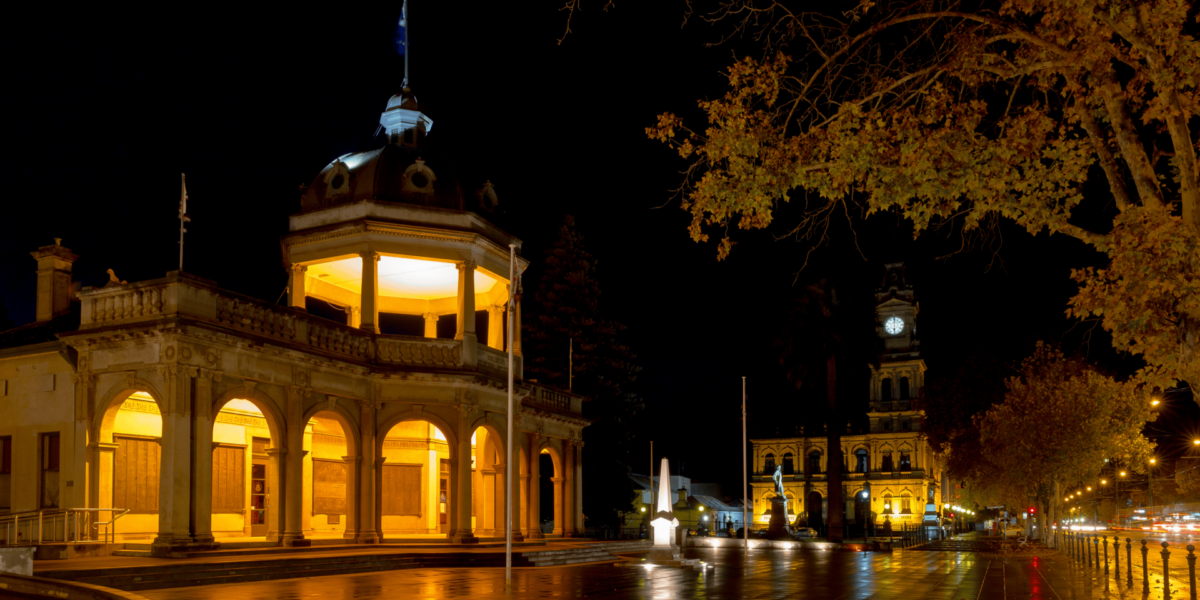
At night, the laneways take on a different mood. Historic gaslights, soft shadows, and low foot traffic create a quiet atmosphere. This shift highlights different details—textures in the walls, sounds from distant pubs, or faded names on weathered signs.

Night walks reveal how layered Bendigo’s story really is. The laneways slow down the pace, offering time to imagine what the streets felt like when lit only by lantern and guided by memory. That contrast between past and present makes each visit unique.

Bendigo’s Laneways Continue to Evolve

As Bendigo grows, the laneways evolve too. City planners, historians, artists, and residents continue to shape how these spaces are preserved and used. New ideas emerge, from sustainable lighting projects to pop-up galleries, ensuring that the laneways remain active parts of the urban landscape.

This evolution doesn’t erase their roots—it builds on them. Bendigo’s laneways remind us that history is not frozen in time. It lives through the choices communities make to honor, adapt, and reimagine the spaces they inherit.
Where Gold Dust Meets Galleries: The Spirit of Bendigo Today

Bendigo’s Identity Is Rooted in Gold Rush History

Bendigo’s modern identity continues to reflect its gold rush origins. In the mid-1800s, miners from around the world arrived with hopes of striking gold. That discovery transformed a quiet Victorian valley into one of Australia’s richest mining regions.

Today, remnants of that past still shape the city’s character. Streets named after historic figures, restored colonial architecture, and gold mines open for tours all connect the city’s current rhythm to its 19th-century boom. Bendigo doesn’t erase its past—it builds on it.

The Arts Scene Grows in Historic Spaces

Bendigo has embraced art as a key part of its cultural renewal. Many of the city’s historic buildings now house studios, galleries, and theaters. These creative spaces invite both locals and visitors to engage with a new kind of wealth—one built on expression, not extraction.

Inside the Bendigo Art Gallery, exhibitions fill ornate rooms that once echoed with the footsteps of merchants and miners. Instead of gold scales and pickaxes, the gallery now showcases Australian and international works that challenge ideas and inspire connection. Art thrives here because the city gives it room to grow—both physically and socially.

Creative Expression Fuels Local Business

The intersection of history and creativity has also helped small businesses flourish. Cafés, design shops, bookstores, and artisan boutiques line streets once dominated by banks and hotels built with gold rush profits. These businesses reflect a shift in values: from industry to ideas.

One shop may sell hand-printed textiles inspired by local flora, while another offers baked goods shaped like native animals. These expressions of place offer more than products—they tell stories. When people visit or settle in Bendigo today, they don’t just buy things—they participate in the community’s living narrative.

Events Highlight Bendigo’s Artistic Pulse

Bendigo’s cultural calendar reveals how deeply the arts are woven into everyday life. Festivals, outdoor exhibitions, open studios, and seasonal markets bring people together to celebrate creativity. These events support local artists and invite new voices into the conversation.

Each event feels grounded in the city’s landscape. A sculpture trail might follow a walking path through a restored park. A pop-up gallery could take over a former train station for a weekend. These gatherings aren’t just entertainment—they’re evidence of a city that listens to its artists and makes space for expression.

Tourism Embraces More Than Heritage

While Bendigo’s historic sites still attract tourists, visitors now come for more than gold mines and heritage tours. Cultural tourism has become a major draw, with people traveling to explore exhibitions, performances, and design experiences that showcase Bendigo’s modern voice.

In a typical weekend, a traveler might attend a gallery opening, shop for ceramics at a local studio, and dine in a venue that doubles as an art space. This layered experience of Bendigo blends its history with its creative present. Tourism succeeds here because it reflects authenticity—not nostalgia.

Education Supports the Creative Ecosystem

Bendigo’s schools and colleges have recognized the role that arts play in the local economy and community life. Programs in design, performance, and visual arts prepare students to build careers that remain in the region. This focus helps retain talent and strengthens the city’s creative core.

A high school student working on a public mural gains more than technical skills. They learn how place, story, and identity connect. As students grow into professionals, many choose to stay, bringing fresh energy to the same streets where miners once stood with dreams in their pockets.

Green Spaces Add to the City’s Artistic Vibe

Bendigo’s parks, gardens, and nature trails are more than places to relax—they serve as platforms for public art and cultural events. Sculpture installations, outdoor performances, and interactive pieces often take place in these green spaces, inviting casual visitors into the creative fold.

Walking through Rosalind Park, for instance, might mean encountering a musical installation or poetry etched into a pathway. The blend of nature and creativity gives Bendigo a unique rhythm—one that moves between reflection and activity, solitude and community.

Locals Shape the City’s Creative Legacy

While galleries and tourism play a big role in Bendigo’s transformation, the people who live here are the ones shaping its direction. Artists, curators, teachers, volunteers, and local leaders all contribute to how Bendigo continues to evolve as a creative hub.

In neighborhood workshops, residents work side by side with artists to build installations or host storytelling nights. These acts, though small, represent a larger truth: Bendigo’s spirit comes from participation. It doesn’t rely only on institutions—it grows through individual and collective effort.

Bendigo Balances Growth With Authenticity

As Bendigo gains attention for its arts scene, the city faces the challenge of growth. More visitors and new residents bring new energy—but also risks of overdevelopment or cultural dilution. Local leadership has worked to ensure that growth supports rather than overshadows what makes the city distinct.

Zoning laws protect historic buildings, funding supports emerging artists, and planning includes input from community members. These efforts show a commitment to maintaining the city’s character while encouraging progress. Bendigo succeeds because it balances celebration of the past with vision for the future.

The Spirit of Bendigo Is Still Evolving

Bendigo’s journey from mining town to cultural destination shows how place and people shape one another. Its story isn’t just about wealth or art—it’s about adaptation, inclusion, and purpose. The city continues to grow because it welcomes change while staying grounded in identity.

What once made Bendigo famous—gold—has faded in importance. Today, creativity holds that role. Through art, design, and community, Bendigo builds a new legacy that reflects its people, history, and hopes. That’s the spirit of Bendigo: rooted, evolving, and alive.

Why Bendigo Is Becoming Australia’s Most Unexpected Arts Hub

Bendigo’s Art Growth Stems From Community Investment

Bendigo’s rise in the national arts scene didn’t happen by chance. The city committed resources to support local talent and attract new projects. This investment appears in the form of grants, renovated spaces, and expanded arts programming. As a result, more artists live and work here full-time, bringing their vision into public view.

Galleries and Museums Lead Cultural Development

Major institutions like the Bendigo Art Gallery contribute to the city’s reputation. These venues host touring exhibitions, while also promoting local creators. Exhibits reflect both global trends and regional stories, drawing visitors from across Australia. By balancing big names with local voices, Bendigo creates a distinctive cultural blend.

Public Art Turns the City Into an Open-Air Gallery

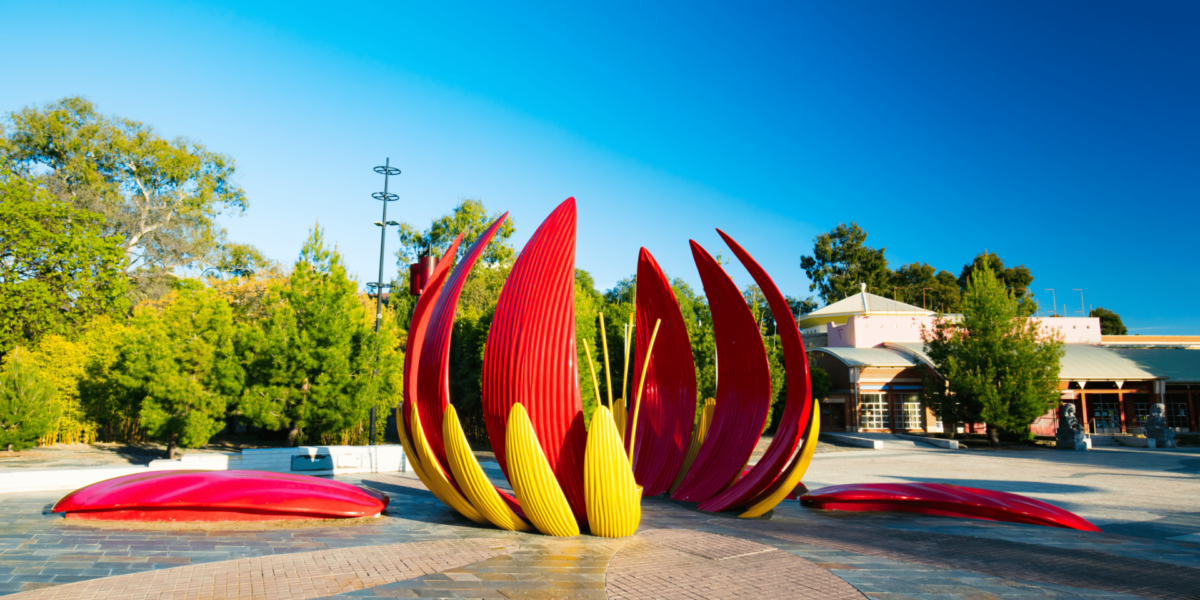
Bendigo integrates public art into streets, parks, and transit areas. Murals, sculptures, and temporary installations change how people experience the city. These pieces often respond to local history or current conversations, making them relevant and meaningful. As new works appear, locals engage with the city in fresh ways.

Education Programs Anchor the Arts Long-Term

Bendigo schools and community programs offer hands-on arts education from an early age. Young residents learn painting, music, theater, and digital media. These programs don’t just teach skills—they shape future artists and audiences. Over time, this approach strengthens the city’s cultural foundation.

Local Artists Influence City Identity

Artists in Bendigo shape how the city looks and feels. Their work appears in shop windows, civic spaces, and event branding. They advise on development projects and help design community initiatives. As a result, Bendigo’s aesthetic reflects the people who live there, not just imported trends.

Creative Spaces Encourage Artistic Risk

The city supports affordable studios, shared workspaces, and flexible venues. These environments allow artists to experiment without high overhead. A painter might test a new style, or a performer might debut an original work. This freedom leads to innovation and keeps the local arts scene active.

Events Make the Arts Visible to Everyone

Arts festivals, street performances, and seasonal showcases bring creativity into everyday life. Locals and visitors experience art in markets, alleys, and public squares. These events don’t isolate artists—they connect them with the broader community. This access builds appreciation and invites participation.

Tourism Benefits From Artistic Reputation

Bendigo attracts travelers seeking cultural experiences beyond major cities. Tourists come for exhibitions, performances, and artisan shops. They explore the city through its creative offerings, often returning for future events. This reputation supports the economy while reinforcing the value of local artists.

Artists Choose Bendigo for Its Balance

Creative professionals relocate to Bendigo for space, affordability, and connection. Unlike larger cities, Bendigo offers time and room to focus on work without losing access to audiences. A typical day might include studio time, a meeting with collaborators, and a public showing. The lifestyle suits those looking for both productivity and presence.

Partnerships Fuel Regional and National Recognition

Bendigo artists collaborate with regional and national groups to expand their reach. These partnerships lead to exhibitions, tours, and media features that place local work on larger stages. Each success brings attention back to the city, strengthening its role as an arts hub.

Bendigo Builds Its Arts Future From the Inside

The city isn’t waiting for outside approval. It grows its arts community through internal effort and shared vision. Residents support artists by attending events, funding projects, and offering space. This local support ensures the momentum continues. Bendigo becomes an arts hub not through branding, but through consistent, visible creativity.

A Local’s Guide to Experiencing Bendigo After Dark

Nightlife in Bendigo Offers a Local Perspective

Bendigo after dark doesn’t follow the typical nightlife script. While some visitors look for clubs or large venues, locals move through familiar streets with different priorities. They know which places stay open late, where to hear music without the crowd, and how to enjoy the quiet corners that come alive after sunset.

Hidden Bars Serve Craft Drinks Without Noise

Many locals avoid loud bars and instead choose quiet lounges tucked behind unmarked doors or down narrow lanes. These places don’t advertise heavily but stay busy through word-of-mouth. Bartenders remember regulars. Drinks are made with care. The mood stays calm, even on weekends. For locals, it’s about comfort and craft, not volume.

Evening Walks Reveal a Different Side of the City

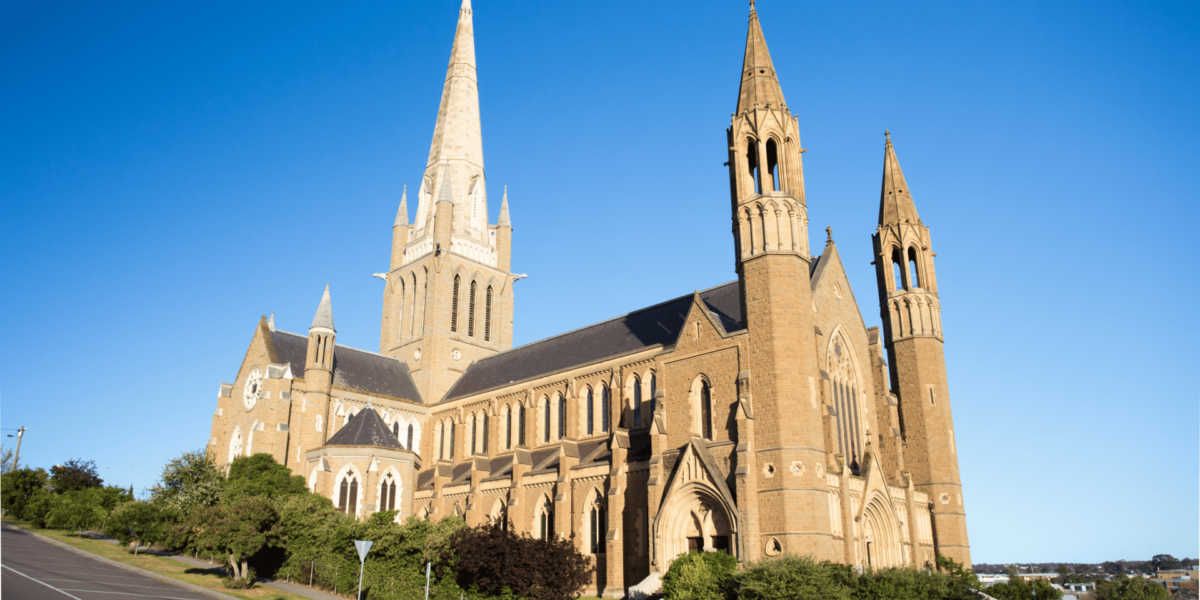
As daylight fades, Bendigo’s architecture takes on a new tone. Historic buildings glow under streetlights. Locals walk routes that pass old churches, narrow alleys, and quiet public gardens. These walks aren’t rushed. People pause, talk, or sit for a while. The city moves slower at night, and residents take time to notice the details.

Local Music Finds Intimate Spaces

Live music doesn’t require a stage and stadium in Bendigo. Performers set up in bookstores, cafes, and back patios. Locals know when to show up and which places rotate new talent each week. The sound carries without amplification, and the audience listens without distraction. These events feel personal because they are.

Late-Night Dining Focuses on Quality, Not Quantity

Late-night food in Bendigo offers more than fast options. Locals choose places with short menus that change by season or chef. Kitchens stay open just late enough to serve the regular crowd, and meals are made to order. It’s not about staying out longer. It’s about ending the night with something worth remembering.

Theaters and Studios Host After-Hours Events

Cultural venues in Bendigo often extend their hours for community shows, film nights, or art talks. Locals attend because these events reflect the city’s creative pulse. A gallery might host an artist Q&A at 8 p.m., or a small theater could premiere a new local production on a Friday. These aren’t side shows—they’re part of the main rhythm.

Familiar Faces Make the Night Feel Safe

Bendigo’s size allows for recognition. Bartenders, musicians, and shop owners often greet patrons by name. Locals wave across the street or nod to someone walking their dog. This familiarity adds a sense of safety and connection. It’s easier to relax when you know the person pouring your drink or playing the piano.

Outdoor Spaces Invite Calm Conversation

Not every night in Bendigo ends indoors. Some locals meet at parks or riverside trails to catch up after dinner. These spots stay quiet and well-lit, offering space to talk without background noise. It’s a normal part of the night to see small groups or couples enjoying the open air before heading home.

Night Markets Offer Local Goods and Food

Pop-up markets appear in city lanes or community centers on select evenings. Vendors sell handmade items, snacks, and produce under soft lights. Locals browse slowly, talk with sellers, and share updates with friends they run into. The market feels less like a shopping trip and more like a meeting place.

Locals Build Their Own Night Routines

Bendigo residents create routines around what the city offers. One might start the evening at a gallery, grab dinner at a familiar kitchen, then walk through quiet streets on the way home. These routines change with seasons and moods, but the intent stays the same—to end the day feeling present and connected.

Bendigo After Dark Shows Its True Character

The city doesn’t try to impress after sunset. It returns to rhythm, to routine, to a pace that suits its people. Locals notice things tourists often miss—the music from a second-story window, the way lights hit a red-brick wall, or how the air smells after a warm day. These moments define Bendigo’s nights, making them feel real and rooted.