Bendigo’s Gold Rush Roots Shaped Its Early Food Culture
The gold rush brought people from many cultures to Bendigo, each with distinct food traditions. Makeshift kitchens and open-fire meals filled the mining camps. Basic ingredients, often traded or grown nearby, formed the foundation of early dishes. These meals focused on survival, not flavor, but laid the groundwork for the city’s food identity.
Migration Brought New Flavors and Techniques
As miners settled permanently, they brought family recipes and cooking styles into the city. Communities formed around shared meals, with backyard gardens supplying herbs and vegetables. Local markets expanded, offering ingredients once hard to find. Food moved from function to expression, and home kitchens became places where culture stayed alive.
Local Ingredients Became Central to Bendigo Dining
Today, many restaurants in Bendigo build their menus around ingredients grown or raised nearby. Chefs visit farms, learn seasonal cycles, and adjust recipes based on availability. This direct connection between food creators and producers allows for fresh, thoughtful meals. Diners experience the region with every plate.
Chefs Use History as a Creative Foundation
Modern kitchens in Bendigo often reference the city’s past. Some reinterpret miner meals with new techniques, while others highlight ingredients once overlooked. These choices add depth to the dining experience. Food becomes a conversation between then and now, without needing to imitate old recipes.
Small Businesses Drive Culinary Innovation
Independent cafés, bakeries, and kitchens lead much of Bendigo’s food progress. Owners test new ideas, challenge traditions, and shape public taste. A small café in a quiet street might develop a method that later shows up in larger venues. This bottom-up model fuels variety and keeps the city’s food culture flexible.
Farmers and Makers Strengthen the Local Food Network
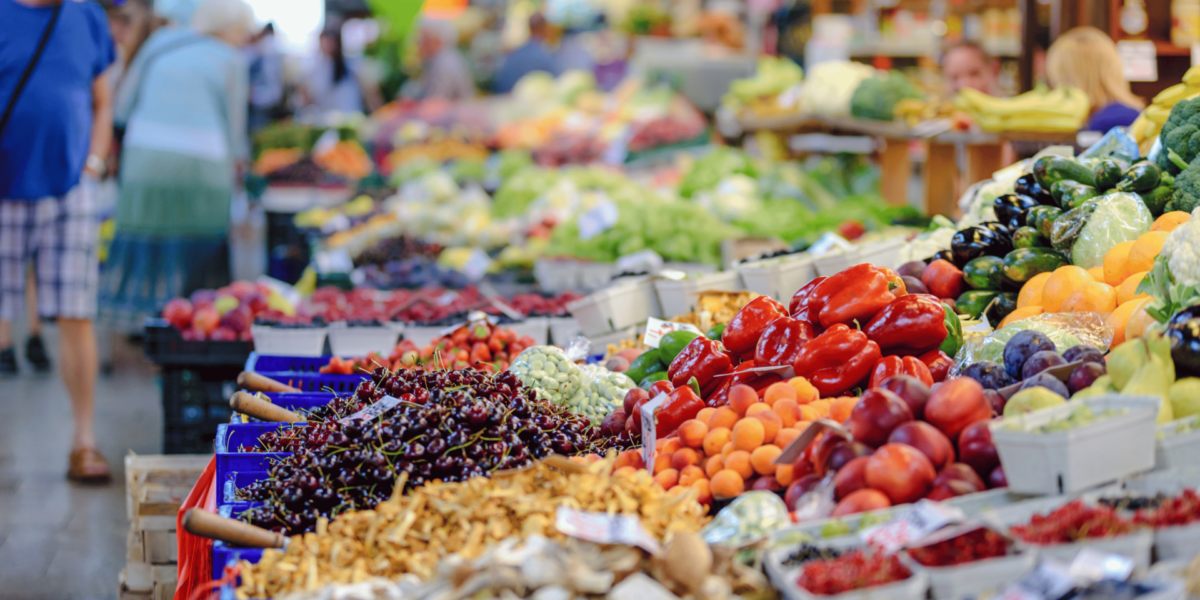
Bendigo’s food supply doesn’t rely solely on large distributors. Farmers, cheesemakers, and brewers often work directly with chefs. Weekly farmers markets serve as meeting points where plans take shape and new products get tested. This network encourages collaboration and gives food a local fingerprint.
Culinary Education Expands Local Skill Sets
Schools and programs in Bendigo teach practical cooking and food science. Students grow ingredients, learn kitchen basics, and even serve meals to the public. These programs don’t just train future chefs—they build a deeper understanding of how food systems work. The result is a community that values skill and sustainability.
Events Turn Dining Into Shared Experience
Bendigo hosts food-focused events throughout the year. These include street festivals, themed pop-ups, and chef collaborations. Local cooks prepare meals in public spaces, inviting conversation between guests and creators. These events help residents and visitors understand how the city’s food has changed—and why that change matters.
Tourism Relies on Authentic Food Encounters
Visitors often choose Bendigo for its food. They don’t come just for meals, but for the people and stories behind them. Restaurants offer more than dishes—they provide insight into local farming, heritage, and values. This connection adds depth to tourism and encourages return visits.
Bendigo’s Culinary Identity Reflects Its Growth
Food in Bendigo now mirrors the city’s evolution. It balances respect for the past with hunger for new ideas. What began as a need to feed miners has turned into a platform for creativity and connection. As chefs and communities shape what’s next, every dish tells part of Bendigo’s story.
The Future of Bendigo Food Builds on Community
Bendigo’s food scene continues to change, but it stays rooted in cooperation. Chefs, growers, educators, and diners shape the next chapter together. Their combined efforts keep the scene honest, innovative, and grounded. This ensures that as Bendigo grows, its food stays close to its people.