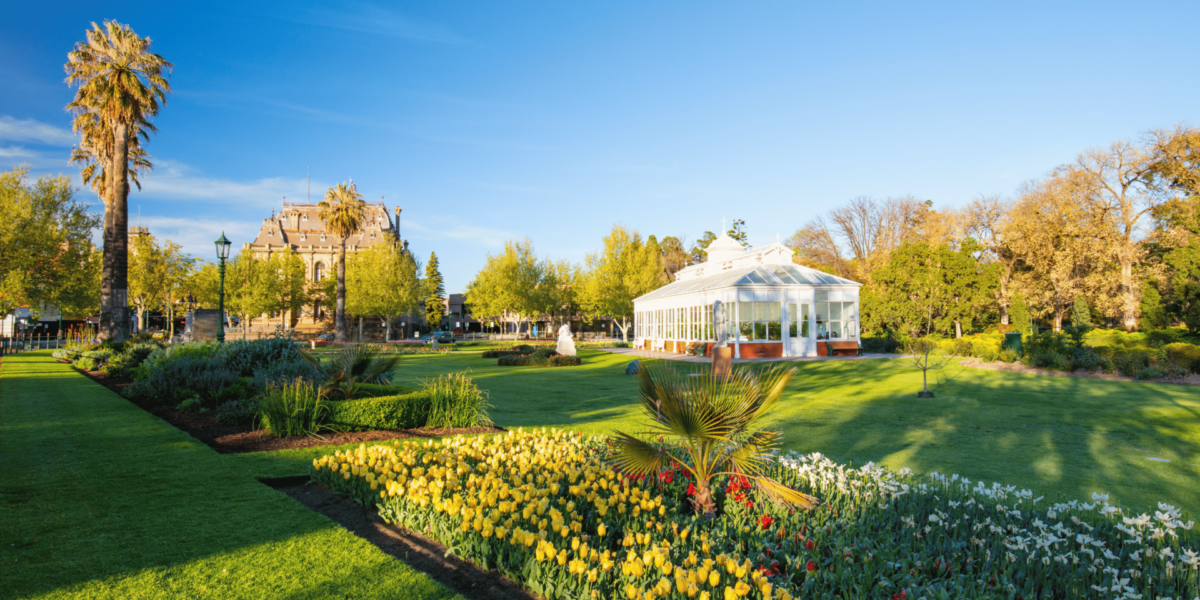
Reading the Landscape as a Cultural Map
Bendigo’s landscapes act as more than scenic views; they serve as a cultural map that reveals the region’s history and values. Hills, waterways, and pathways carry meaning shaped by generations of interaction between people and place. Observing these natural features offers insight into how the community has evolved over time.
Landmarks That Speak Through Structure and Symbol
From clock towers to public sculptures, Bendigo’s landmarks communicate messages about identity, heritage, and progress. The materials, shapes, and placement of these features are not random—they reflect choices made to preserve stories and honor tradition. Visitors who pay attention to these visual cues gain a deeper understanding of what the city represents.
Scenario: A Landmark Changes Your Perspective
Picture standing beneath an old stone monument at dusk. The inscription tells of a turning point in Bendigo’s past, while its location offers a view of the town’s expansion. In that moment, the landmark shifts from a static object to a storyteller, revealing how the land and its people shaped one another.
Interpreting Patterns in the Built Environment
The layout of Bendigo’s streets and districts shows the influence of past industries, migration, and community planning. Narrow laneways, wide boulevards, and the positioning of civic buildings all contribute to a broader narrative. These patterns reflect both practical needs and cultural values held by earlier generations.
How Nature and Design Work Together
Bendigo’s green spaces blend with urban areas in ways that reflect environmental and social priorities. Parks, gardens, and tree-lined avenues were often planned to create balance between growth and preservation. This connection between nature and design continues to shape how residents and visitors experience the city.
Listening to Local Voices That Know the Land
Longtime residents often understand the unspoken language of their surroundings. Their stories and observations provide context that goes beyond guidebooks or signage. Conversations with locals reveal how certain places gained meaning and how those meanings continue to evolve.
Exploring Themes of Change and Continuity
While some features of Bendigo remain unchanged, others adapt to meet new needs. Landmarks may be restored, repurposed, or reimagined. This process of change does not erase their meaning—it adds layers. Recognizing these layers helps visitors see the city as a living document of time and transition.
Discovering Meaning in Everyday Spaces
Even ordinary locations—a train platform, a market square, a school yard—can hold deeper significance when viewed through a cultural lens. These spaces often play central roles in the community’s daily life and collective memory. Understanding their purpose adds texture to the city’s overall story.
Observing the City with Intent
To uncover the hidden language of Bendigo, travelers must slow down and observe with purpose. Looking closely at how landmarks are used, preserved, and discussed reveals unspoken values and traditions. This level of attention invites reflection and encourages respectful engagement with the place.
Leaving With a Sense of Connection
When visitors take time to understand the meanings behind landscapes and landmarks, they leave with more than surface impressions. They carry forward a sense of connection to Bendigo’s identity and rhythms. That connection deepens appreciation and often leads to lasting curiosity about how place shapes experience.